

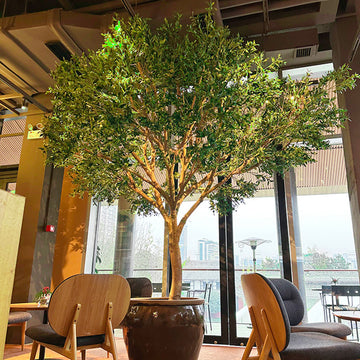


Styling a corner is one of the most effective ways to make a room feel finished, thoughtful, and visually complete. Corners are often left blank because they seem difficult to furnish, too small to matter, or too awkward to use well, yet they quietly influence how balanced a space feels. An empty corner can read as unfinished, while a beautifully composed one can become a soft focal point, a practical nook, or a graceful transition between larger furniture pieces. The most successful corners rarely rely on one object alone. They come together through height, texture, shape, and a sense of restraint, often using greenery, lighting, baskets, stools, rugs, and art to create a composition that feels intentional rather than accidental. In many homes, artificial trees and floor plants are especially useful because they add sculptural presence and organic softness without adding maintenance or visual heaviness. A well-styled corner does not need to be complicated, but it does need to feel considered.
Why corners matter more than people think
In interior design, the eye does not stop at the sofa, bed, or dining table. It continues to the edges of the room, and that is where empty corners can either support the design or quietly weaken it. When a corner is left unresolved, the room can feel flatter and less complete, even when the main furniture is beautiful. By contrast, thoughtful corner decor ideas add depth, rhythm, and softness, helping the entire room feel more layered and elevated. In a living room, a tall tree or lamp in the corner can visually anchor the seating area and make the arrangement feel fuller. In a bedroom, a quieter composition can soften architecture and create a calm pause between larger elements. In entryways, home offices, and dining areas, even a small corner vignette can make the space feel curated rather than merely functional. This is why decorating an empty corner matters more than many people assume: corners help distribute visual weight and guide the mood of a room.
There is also a practical reason corners deserve attention. Many homes have architectural dead zones where a wall turn, window edge, hallway opening, or furniture layout creates an area that feels too narrow for standard furnishings. These spaces benefit from styling rather than traditional furnishing. An artificial tree for corner placement, a woven basket, a low stool, or a floor lamp can occupy the space without making it feel crowded. Done well, the corner becomes an active part of the room rather than leftover square footage. This is especially important in apartments and open-plan homes, where every visual moment has more impact. A styled corner helps create cohesion, and cohesion is what often makes a home feel designed rather than simply furnished.

What makes a corner look well styled?
The best faux floor plants and corner compositions work because they follow a few essential design principles. First comes height. Most corners need a strong vertical gesture to pull the eye upward and keep the space from feeling visually cut off. Second is scale. The objects must feel appropriately sized for both the corner and the room, because pieces that are too small tend to disappear rather than define the space. Third is texture, which gives a corner warmth and dimension, especially when harder architectural lines need softening. Layering also matters. A corner usually looks strongest when there is one main element, one grounding element, and one or two supporting accents instead of many unrelated pieces. Negative space is equally important, because a corner that is overfilled rarely looks stylish; it simply looks crowded.
Shape contrast is another overlooked part of how to style a corner in a room. Corners are formed by straight lines and hard angles, so they respond especially well to rounded, branching, or organic silhouettes. This is one reason greenery is so effective. A tall plant for corner styling introduces movement, leaf shape, and asymmetry in a place that otherwise feels rigid. Then there is practicality. The corner should suit the way the room is used. A reading nook might need a lamp and a small seat, while an entryway corner may need a more architectural arrangement with a planter and a basket. Good corner styling ideas never feel random. They feel quietly connected to the room, both visually and functionally, and that balance is what makes a corner look composed.
Best elements to use when styling a corner
When people ask how to decorate a corner, the answer is rarely more furniture. The most successful empty corner decor usually relies on a few flexible pieces that bring height, texture, and softness without overwhelming the space. A tall artificial tree is often the strongest starting point because it adds scale and an organic line while still feeling airy. From there, the arrangement can be grounded with a planter, a small rug, or a basket that gives the corner visual weight at floor level. A stool, ottoman, or side table can add function, while a floor lamp introduces warmth and makes the composition feel more inhabited. Leaning artwork or a framed print can also help the corner feel integrated into the broader design story of the room. The goal is not to fill every inch, but to create a corner that feels calm, layered, and intentional.
Artificial greenery deserves a major role here because it solves several design problems at once. It softens hard corners, adds height without mass, and brings a natural element into areas that may have limited light or awkward dimensions. Real plants can be beautiful, but corners are often not ideal growing environments. That makes realistic artificial trees and plants especially effective for awkward corner decorating ideas. They deliver the visual ease of greenery without concerns about light levels, leaf drop, watering routines, or seasonal decline. In design terms, that means the corner can remain consistent and beautiful all year while still being restyled through accessories. For homeowners and designers alike, this makes faux plant corner decor one of the most practical and polished solutions available.
- Use a tall artificial tree to add height and softness
- Anchor the corner with a rug or planter
- Add texture with baskets, woven materials, or natural finishes
- Layer in one functional piece such as a stool, lamp, or storage basket
- Keep enough negative space so the corner still feels airy
Recommended Faux Natural pieces for styling a corner
When choosing greenery for corner styling, it helps to think in terms of silhouette, height, and mood. Some corners need a sculptural Mediterranean look, others need fuller tropical volume, and some are best served by a compact accent piece with strong character. Faux Natural’s collections of artificial olive tree designs, fiddle leaf fig trees, and indoor artificial greenery offer a wide range of options for different room types and aesthetics. Below is a curated edit of pieces that work especially well when decorating an empty corner.
1. Artificial Areca Palm Tree 7ft Eco Friendly Indoor Use
This piece has the light, feathery fullness that works beautifully in bright living room corners and relaxed bedrooms. It suits coastal, resort-inspired, and soft contemporary interiors where movement and softness matter more than rigid structure.

2. Artificial Banyan Tree 6ft Lifelike Indoor Outdoor Centerpiece
With its branching form and sculptural character, this tree is ideal for corners that need visual drama without excessive height. It works especially well in collected, organic interiors and in entryways where a corner needs presence and personality.

Artificial Fiddle Leaf Fig Tree 10 Ft Indoor Display
This is a strong choice for double-height rooms, open-plan corners, or spaces with generous ceiling height. Its large leaves and tall scale make it perfect for modern interiors that benefit from one bold vertical statement.

Artificial Fig Tree Natural Wood Trunk Indoor Display
The natural wood trunk gives this tree a more grounded, relaxed look that works well in living rooms and dining corners. It suits warm neutral homes, organic modern interiors, and spaces that mix clean lines with natural materials.

Artificial Bonsai Pine Tree for Living Room
This lower, more sculptural piece is ideal for sideboard corners, shelf-adjacent styling, or rooms where a compact statement is better than height. It suits Japandi, minimalist, and quietly architectural interiors.

Artificial Olive Tree Mediterranean Style with Planter
This is a natural fit for living room corner decor because the olive silhouette feels airy, elegant, and easy to style. It suits Mediterranean, earthy contemporary, and neutral homes where the corner should feel calm and sophisticated.

Artificial Lady Palm Bamboo Palm Tree 9.19 Ft with Pot
This tall palm works well in corners that need vertical softness and substantial fill. It is especially effective in open-plan rooms, sunrooms, and larger bedrooms with tropical, modern, or resort-inspired styling.

Artificial Golden Red Maple Tree 8ft Realistic Look
This tree adds warmth and color, making it a good choice for corners that need a seasonal or expressive note. It works well in eclectic homes, creative studios, and transitional spaces that can support richer tones.

Artificial Cherry Blossom Tree Pink White Blooms Indoor Outdoor Decoration
Its flowering profile gives an otherwise simple corner a more decorative and romantic character. This is a strong option for bedrooms, entry corners, or dressing areas where softness and visual charm are welcome.

Artificial Olive Tree 8.5ft Tall for Home
This tall olive tree works beautifully in living room corners, entryways, and open-plan interiors that need height and softness. Its branching form and muted foliage create a sculptural feature that feels elegant without becoming heavy.

Artificial Pine Conifer Cedar Style Tree Welcome Decor
This slimmer vertical shape is useful for tighter corners where width is limited. It suits modern rustic, cabin-inspired, and understated transitional homes that benefit from a clean evergreen silhouette.

Artificial Willow Leaf Ficus Tree Floor Decor 9 Ft
The finer leaf texture gives this tree a softer, more relaxed profile than broader-leaf options. It works well in living rooms and home offices where the corner needs movement and height without feeling dense.

Artificial Magnolia Tree 10.5ft Luxury Hall Entrance Decor
This is an impressive statement piece for grand entryways, stair landings, or corners with scale to spare. It suits classic, luxury, and polished contemporary interiors where the corner should feel architectural and elevated.

Artificial Rose Tree White Pink Indoor Outdoor Decor 5.5ft
This is best for corners that call for decorative charm rather than strong vertical anchoring. It suits cottage, romantic, and feminine interiors, particularly in bedrooms, sunrooms, or sheltered entry spaces.

Real Touch Faux Plastic Artificial Monstera Tree 7.5ft
Monstera leaves bring bold shape and a contemporary tropical feel to a corner. This is a strong choice for modern apartments, creative workspaces, and relaxed interiors where graphic foliage adds energy.

Artificial Magnolia Tree Shaped Plastic Plant 6ft 8ft
Available in versatile heights, this magnolia-style tree works in both medium and larger corners. It suits refined transitional and classic contemporary interiors where glossy leaves add polish and structure.

Artificial Ficus Benjamina Tree Real Touch Green 7ft
This is one of the most flexible choices for everyday corner styling ideas. Its familiar silhouette works in living rooms, bedrooms, and home offices, especially in homes that lean natural, modern, or timeless.

Artificial Banana Tree 6.2ft PE Plastic Outdoor Indoor
Its broad tropical leaves make a corner feel lush and energetic very quickly. It is ideal for sunroom-style interiors, pool-adjacent spaces, and modern homes that benefit from a bolder botanical shape.

Artificial Dracaena Tree Faux Natural Touch 8.5 Ft
This upright, architectural form is useful in corners where a cleaner silhouette is preferred. It suits contemporary, minimalist, and desert-influenced interiors that need height without too much visual spread.

5.4 Ft UV Resistant Artificial Banyan Fig Tree
This medium-height option works nicely in covered entryways, patios, and brighter indoor corners where outdoor-ready styling is helpful. It is a smart choice when the corner needs fullness but not dramatic scale.

Artificial Cherry Blossom Tree 7.22ft Indoor Event Decor
This tree creates a romantic, airy corner composition with a softer silhouette than denser foliage trees. It works best in bedrooms, formal sitting rooms, and elegant spaces where bloom can act as part of the décor story.

Artificial Bamboo Tree Lifelike Foliage Indoor Decor
Bamboo is excellent for corners because it adds height while maintaining visual lightness. It suits calm, spa-like, and modern interiors, especially where the goal is to make the corner feel serene and uncluttered.

Artificial Agave Plant 5 Ft Tall Potted Yucca Tree
This is a strong option for tighter corners or homes that need a more sculptural, desert-inspired profile. It works beautifully in contemporary, southwestern, and minimalist interiors where sharp shape contrast adds interest.

How to style a corner in different rooms
Living room corners usually benefit from the most scale because they sit near the main social zone of the home. A taller statement tree, layered with a textured planter, small rug, or basket, can make the room feel more grounded and complete. Bedrooms tend to call for a quieter approach. A softer tree, a low stool, or a lamp paired with a basket can make the corner feel restful rather than busy. Entryways often need more architectural presence because they introduce the tone of the home. In that setting, a sculptural tree with a substantial planter and one supporting accent often works better than multiple decorative items. The composition should feel welcoming and polished from the moment someone walks in.
Home office corners benefit from pieces that soften the functional mood of the room. A ficus, bamboo, or dracaena can bring life to the edge of a workspace without distracting from it, while a woven basket or small stool introduces texture. Dining room corners often work best with taller, slimmer silhouettes that do not interfere with circulation but still visually balance the room. This is where olive trees, bamboo, or willow leaf ficus styles can be especially useful. For awkward corner decorating ideas in narrow rooms, prioritize vertical lines and lighter foliage over broad canopies. In every case, the room should guide the styling. The corner is not a separate project; it is part of the larger composition of the space.
Design tips for a beautiful corner vignette
A good corner vignette feels collected, not over-designed. One of the easiest ways to achieve that effect is to begin with a single vertical piece, then build downward and outward with restraint. If the tree or plant is substantial, the supporting pieces can stay simple. If the greenery is more delicate, the planter, rug, or lamp may need to take on more of the visual work. Asymmetry is often what gives a corner an editorial quality, because perfectly mirrored styling can feel too rigid in a naturally awkward space. Texture should also be layered thoughtfully. A ceramic or stone-look planter, a woven basket, a linen shade, or a wool rug can help the corner feel warm and dimensional. Most importantly, every piece should connect quietly to the room around it through material, tone, or shape.
- Start with one vertical element, such as a tall faux tree or floor lamp
- Add a grounding piece like a planter, basket, or small rug
- Layer in texture to make the corner feel warm and dimensional
- Use asymmetry for a more natural, editorial look
- Choose pieces that relate to the rest of the room without matching too rigidly
- Refresh the styling seasonally with subtle accessory swaps
What doesn’t work: common corner styling mistakes
The most common mistake in decorating an empty corner is choosing pieces that are too small. A single small plant or tiny basket often makes the corner look more accidental, not more resolved. Another issue is clutter. People sometimes try to fix an awkward corner with multiple objects, but too many accessories create noise instead of composition. Lack of height is another frequent problem. Corners almost always need a vertical gesture, and without one, they can feel visually collapsed. Material quality matters too. If faux greenery looks overly glossy, stiff, or obviously artificial, it can weaken the entire styling story. Finally, corners fail when they feel disconnected from the room, as though they were decorated separately rather than as part of a broader interior language.
- Using accessories that are too small to visually fill the corner
- Adding too many items and creating clutter
- Ignoring the importance of height and vertical shape
- Choosing overly glossy or unrealistic faux greenery
- Using a planter or basket that feels too small or mismatched
- Styling the corner in a way that feels disconnected from the room
Another mistake is making the corner too functional in a way that feels heavy. A storage tower, large shelving unit, or oversized chair can close down the space and make the room feel tighter. Corners are often more successful when they suggest usefulness rather than overstate it. A basket for throws, a stool for a book, or a lamp for atmosphere is usually enough. This is why corner vignette ideas often feel more elegant than corner furniture solutions. The best corners respect the architecture, support the room, and never try too hard.
Seasonal updates without redesigning the whole corner
One of the advantages of a well-built corner arrangement is that it can evolve through the year without being completely redone. The main vertical element can remain consistent, while smaller supporting layers shift with the season. In cooler months, the corner might gain a deeper-toned basket, a heavier texture, or branches with a richer palette. In spring and summer, the same corner can feel fresher with a lighter rug, softer ceramics, or a more airy accessory mix. This is especially effective with realistic artificial trees because the greenery stays stable while the surrounding styling changes subtly. That consistency makes the corner feel enduring rather than temporary. It also allows the room to feel seasonally refreshed without introducing clutter or requiring major effort.
This approach is particularly useful for homeowners who want beauty without constant rearranging. A corner built around a tree, planter, and grounding layer already has structure. Seasonal updates can then happen through textiles, florals, bowls, branches, and small decorative accents. That is enough to keep the vignette feeling alive while preserving the overall design logic. For stylists and designers, this makes corner styling a highly efficient way to update a room. It creates visual change where the eye naturally travels, but without interrupting the larger furnishing plan.

FAQ about styling a corner
How do you decorate an empty corner?
The best way to decorate an empty corner is to begin with one strong vertical element such as a tall artificial tree, a floor lamp, or a sculptural branch arrangement. Then add one grounding piece, such as a planter, rug, or basket, and finish with one or two supporting accents. This creates a composition rather than a random collection of objects. The key is to keep the corner airy while giving it enough scale to feel intentional.
What is the best plant for styling a corner?
The best plant depends on the room, ceiling height, and overall style, but in many homes an olive tree, ficus, bamboo tree, palm, or fiddle leaf fig works especially well. These shapes add height and softness without making the corner feel dense. For smaller corners, a more sculptural option such as agave or bonsai can be more effective. Artificial versions are often the easiest solution because corners do not always offer ideal natural light.
How do you make a corner look cozy?
To make a corner look cozy, combine height with texture and gentle layering. A tree or lamp creates the main vertical line, while a basket, soft rug, stool, or upholstered piece introduces warmth. Cozy corners usually rely on tactile materials and soft shapes rather than too many decorative objects. Lighting also helps, especially in reading corners and bedrooms.
Can you decorate a corner without making it look cluttered?
Yes, and the secret is restraint. Use fewer, better-scaled pieces and allow visible space between them. One tall element, one grounding element, and one small accent is often enough. The corner should feel composed and breathable, not packed.
What works in a living room corner?
Living room corners often respond best to a tall tree, a substantial planter, and one or two layered textures such as a basket or rug. Because living rooms usually hold larger furniture, the corner needs enough scale to keep up with the rest of the space. Olive trees, ficus trees, fiddle leaf figs, and palms are especially effective. A floor lamp can also be added if the room needs warmth and function.
Are artificial trees good for corner styling?
Yes, artificial trees are one of the best tools for corner styling because they bring height, softness, and organic shape without depending on sunlight or ongoing care. They are especially useful in low-light corners, entryways, and awkward spaces where real plants may struggle. The best options look natural in silhouette and have enough variation in branching or leaf shape to feel convincing. They also make seasonal styling easier because the greenery remains beautiful year-round.
How do you make an awkward corner look intentional?
An awkward corner looks intentional when it clearly has a design purpose. Start by deciding whether the corner should anchor the room, soften it, or add function. Choose pieces that match that purpose and relate to the materials, tones, and mood of the room around them. When the scale is right and the styling feels connected, even a difficult corner can become one of the most beautiful parts of a space.
Conclusion
Styling a corner may seem like a small design decision, but it can dramatically improve how a room feels. The right corner treatment adds balance, softness, and a sense of completion that makes the whole interior read as more thoughtful and refined. The most successful compositions use height, texture, and visual restraint to create something that feels intentional rather than improvised. In that process, artificial trees and plants are among the most effective tools available because they soften architecture, add sculptural beauty, and work in places where real greenery may be difficult to maintain. Whether the goal is living room corner decor, bedroom softness, entryway presence, or a practical nook in a home office, a well-styled corner can change the atmosphere of a room more than many people expect. To explore pieces designed for exactly this kind of layered, elegant styling, browse Faux Natural’s collections of realistic artificial trees, faux floor plants, and options for designers through wholesale.


