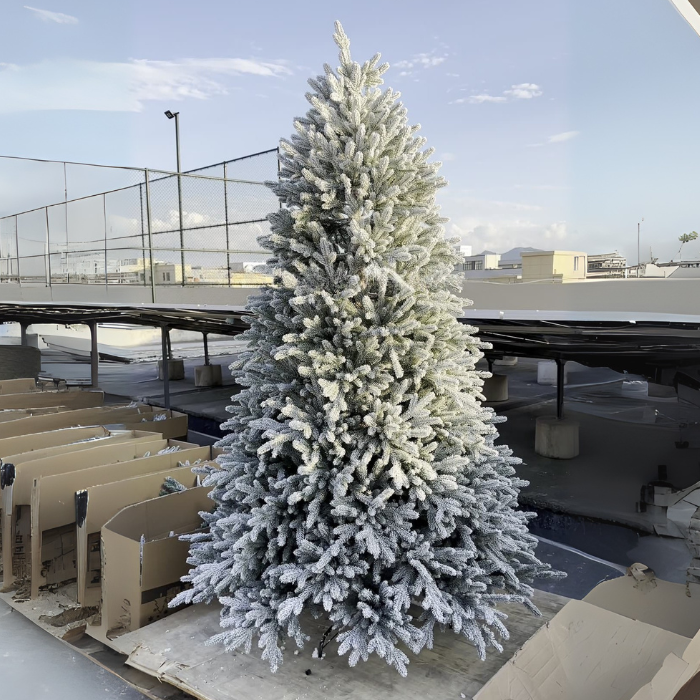
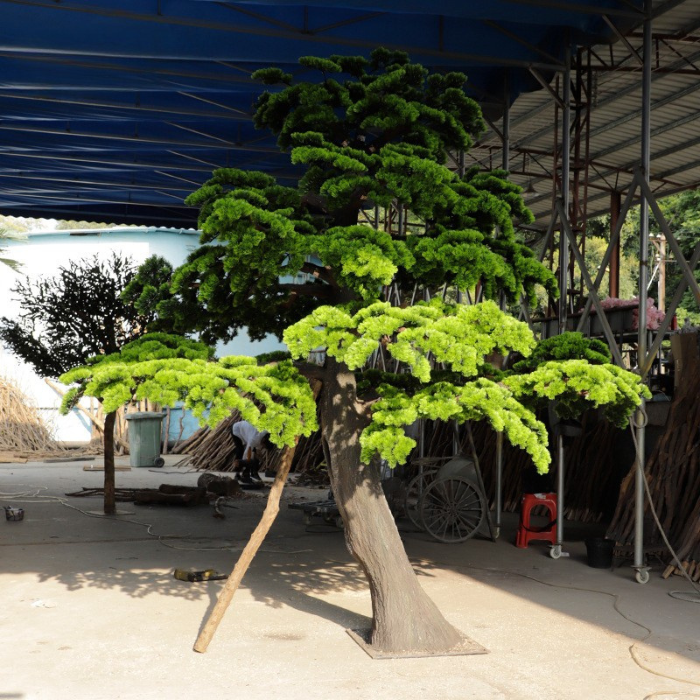
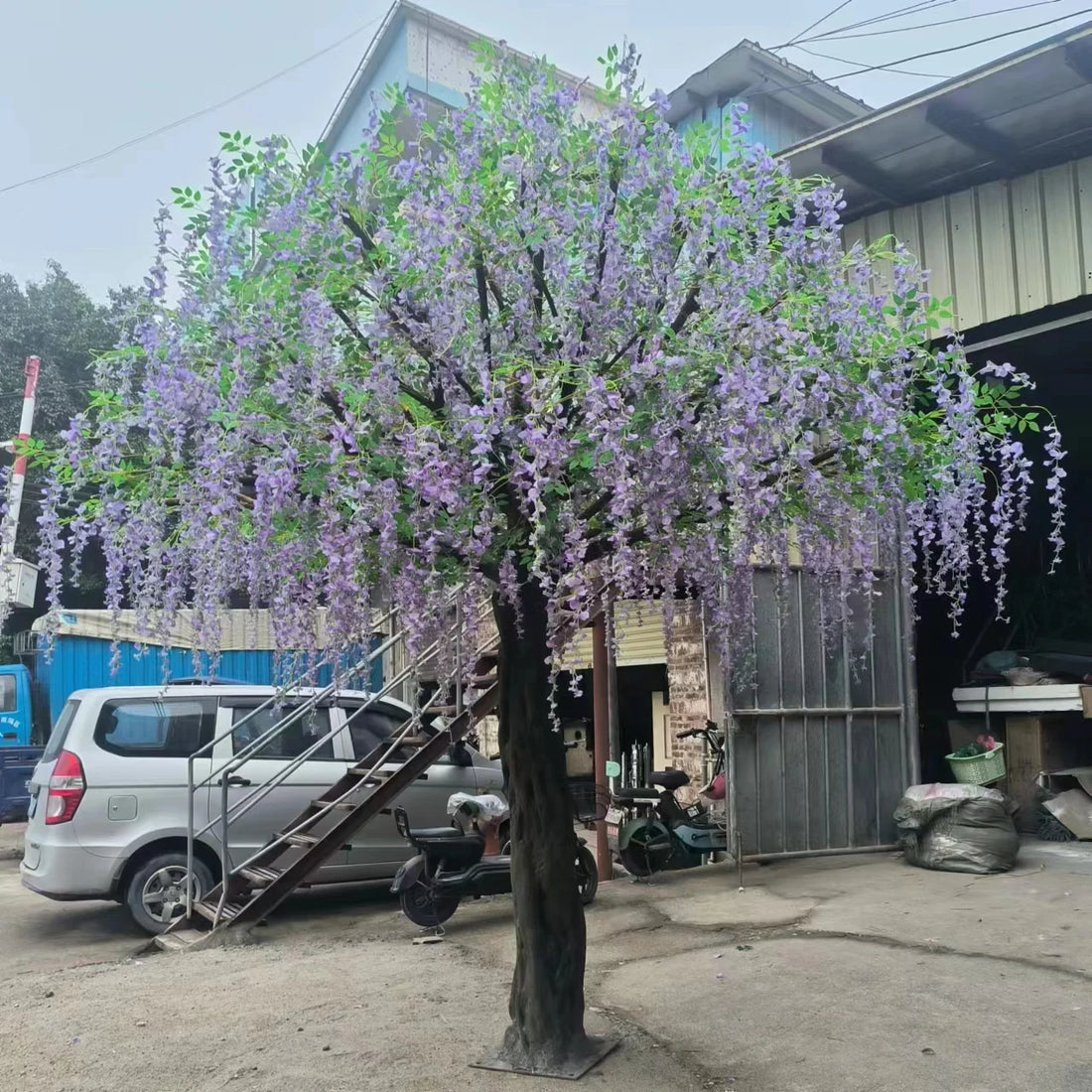
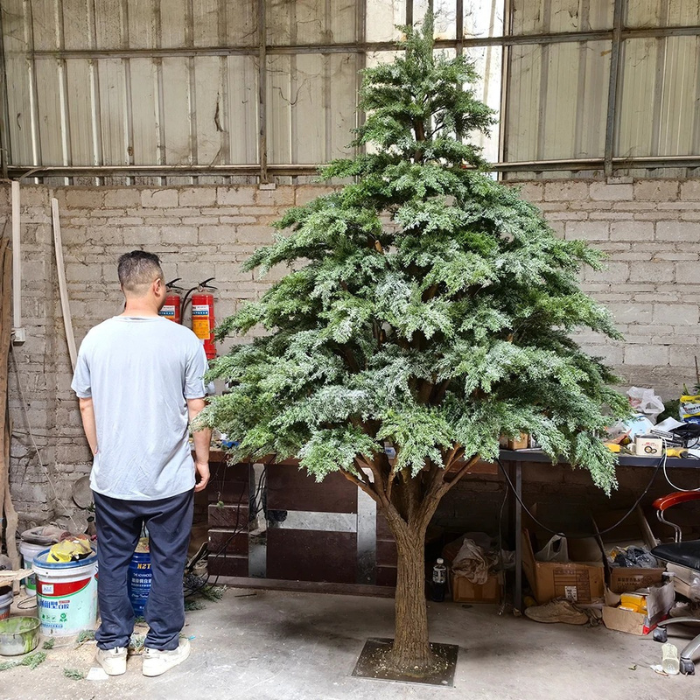
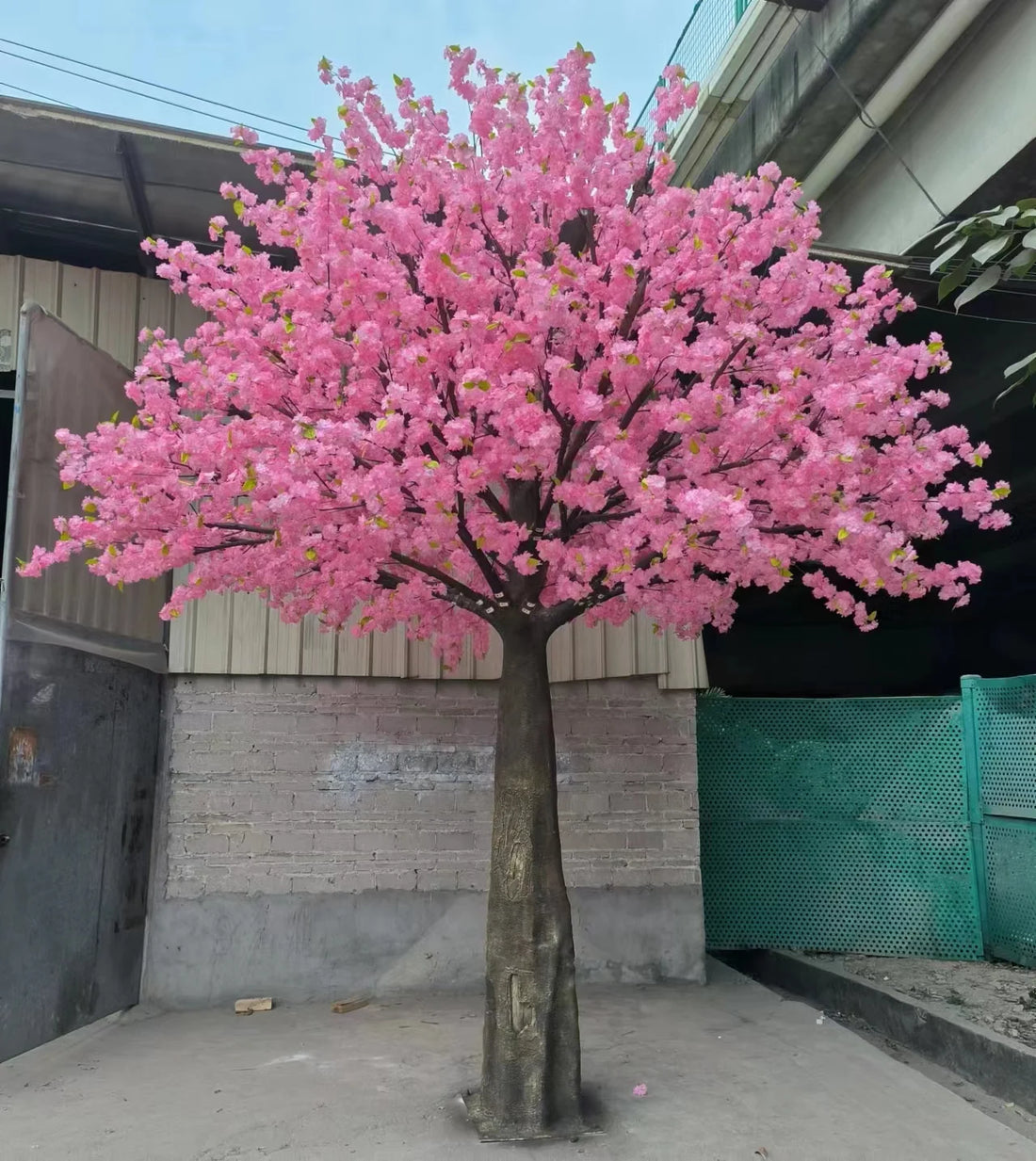
Commercial artificial trees for refined, industry-specific spaces
Commercial artificial trees offer an elegant way to introduce nature-inspired design into professional environments where consistency, durability, and aesthetic control are essential. This curated collection from Faux Natural is created specifically for commercial interiors and exteriors, with solutions tailored to hospitality, retail, corporate offices, healthcare, and educational settings. From dramatic statement trees to subtle accent greenery, each piece is designed to elevate the atmosphere of your space while aligning seamlessly with your brand and interior concept.
Why choose commercial artificial trees for your project
In commercial design, greenery is more than decoration; it shapes how guests, clients, and employees experience a space. Commercial artificial trees provide a dependable way to achieve lush, biophilic design without constraints from light, climate, or ongoing upkeep. Realistic trunks, carefully detailed foliage, and thoughtfully proportioned silhouettes deliver the look of mature, established planting from day one.
For large spaces and high-traffic environments, artificial trees bring several important advantages. They maintain their volume, color, and shape over time, ensuring that lobbies, lounges, corridors, and terraces always look considered and complete. For designers and specifiers, this...
Commercial artificial trees for refined, industry-specific spaces
Commercial artificial trees offer an elegant way to introduce nature-inspired design into professional environments where consistency, durability, and aesthetic control are essential. This curated collection from Faux Natural is created specifically for commercial interiors and exteriors, with solutions tailored to hospitality, retail, corporate offices, healthcare, and educational settings. From dramatic statement trees to subtle accent greenery, each piece is designed to elevate the atmosphere of your space while aligning seamlessly with your brand and interior concept.
Why choose commercial artificial trees for your project
In commercial design, greenery is more than decoration; it shapes how guests, clients, and employees experience a space. Commercial artificial trees provide a dependable way to achieve lush, biophilic design without constraints from light, climate, or ongoing upkeep. Realistic trunks, carefully detailed foliage, and thoughtfully proportioned silhouettes deliver the look of mature, established planting from day one.
For large spaces and high-traffic environments, artificial trees bring several important advantages. They maintain their volume, color, and shape over time, ensuring that lobbies, lounges, corridors, and terraces always look considered and complete. For designers and specifiers, this reliability makes them a powerful tool for building long-term visual harmony across multiple locations or within large-scale projects.
Artificial plants for hotels, resorts, and luxury hospitality
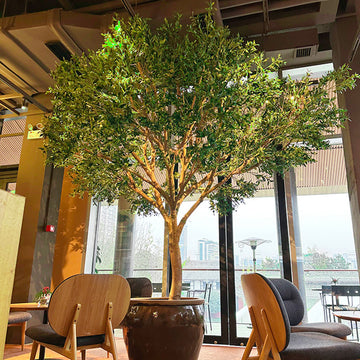
Artificial plants for hotels and resorts are curated with guest experience in mind. Arrival areas, lobbies, and reception desks benefit from tall, architectural trees such as faux Ficus or Palm, which instantly communicate a sense of welcome and sophistication. Their generous canopies soften expansive volumes of stone, glass, or metal, introducing gentle movement and organic form.
In lounges, rooftop terraces, and pool decks, artificial Palms, Bamboo, or Olive trees create immersive atmospheres that feel Mediterranean, tropical, or coastal, depending on your concept. UV-resistant options are ideal for semi-outdoor and outdoor hospitality environments, where continuity of appearance is crucial. Restaurants within hotels can use faux plants for restaurants to define zones—framing banquette seating, creating intimate corners, or accenting bar backdrops with sculptural tree forms or topiaries.
Because these commercial artificial trees are available in a range of sizes, they adapt easily to boutique hotels, large resorts, conference venues, and luxury spas. Consistent design language can be maintained from entrance to guest corridors, wellness areas, and event spaces, reinforcing the overall hospitality narrative.
Faux plants for restaurants, cafés, and bars
Faux plants for restaurants play a central role in creating ambiance, whether the goal is relaxed café charm, refined fine dining, or a vibrant bar atmosphere. Artificial trees and greenery can be used to frame entryways, soften acoustics in high-ceilinged rooms, or introduce a sense of intimacy in open-plan dining spaces.
Artificial Bamboo and tall, slender trees make elegant natural dividers between tables, giving guests a sense of privacy without sacrificing openness or visual flow. Olive trees offer a timeless European character ideal for wine bars and brasseries, while palms and lush tropical species complement cocktail lounges and contemporary fusion concepts.
For terraces and sidewalk settings, commercial artificial trees in substantial planters anchor the outdoor layout and create a welcoming threshold. Inside, tabletop greenery or compact floor plants layer additional texture, linking the overall design and echoing the identity of the cuisine or brand.
Artificial greenery for offices and corporate environments
Artificial greenery for offices is an integral part of modern workplace design, particularly within biophilic and wellness-oriented concepts. In reception areas and client-facing zones, tall commercial artificial trees provide a strong focal point that lends warmth and approachability to contemporary interiors dominated by glass and steel.
Within open-plan workspaces, greenery can soften linear layouts and create natural zoning without constructing solid walls. Artificial trees placed near collaboration areas, quiet nooks, or circulation routes bring balance and visual rhythm, helping large offices feel more human and comfortable. In executive suites and meeting rooms, a carefully positioned Olive or Ficus tree introduces understated elegance, complementing high-end furnishings and architectural details.
For companies with multiple locations, using consistent industry specific artificial plants ensures a cohesive identity across all offices, from headquarters to satellite spaces. The ability to select matching species, heights, and planter styles simplifies specification and supports design continuity during rollouts and refurbishments.
Healthcare and education: calming, considered greenery
In healthcare environments, commercial artificial trees can contribute to a soothing and reassuring atmosphere. Reception desks, waiting areas, and family lounges benefit from gentle, non-imposing greenery that helps balance clinical finishes. Artificial plants designed for hospitals and assisted living facilities are chosen for their composed appearance, clean lines, and adaptable sizing, ensuring they enhance spatial clarity and circulation.
In educational spaces, from early learning centers to universities, greenery plays a role in making shared areas and study zones more inviting. Artificial trees in atriums, libraries, corridors, and student lounges offer a sense of life and vibrancy, encouraging longer, more comfortable stays. Durable, realistic planting maintains its presence across busy academic terms, supporting the visual identity of the campus and integrating harmoniously with signage, furniture, and architectural elements.
Industry specific artificial plants tailored to your concept
Every commercial environment has its own demands, from circulation patterns and ceiling heights to brand palettes and lighting conditions. Industry specific artificial plants are curated with these nuances in mind, making it easier for designers and decision-makers to locate pieces suited to their exact context.
For hospitality, the focus might be on lush, layered compositions with Olive, Palm, and Ficus trees in a variety of heights for lobbies, guest corridors, and terraces. Retail spaces often rely on sculptural trees, Boxwood towers, and clean-lined topiaries to frame displays, emphasize seasonal stories, or enhance window compositions. Corporate and institutional projects frequently incorporate privacy hedges, custom planters, and considered green accents that complement architectural geometry.
By selecting from a collection arranged by sector, it becomes simpler to build a cohesive scheme where each tree, shrub, or green wall supports both the practical layout and the emotional tone of the space.
Statement trees, topiaries, and privacy elements
Commercial artificial trees span a wide variety of species and forms, enabling designers to choose the right silhouette for every setting. Faux Olive trees bring a graceful, airy canopy that suits refined, understated interiors. Ficus trees provide a more densely leafed look, perfect for impactful lobby installations. Palms offer dramatic height and a sense of escape, ideal for resort-style concepts or expressive retail and hospitality spaces.
Artificial Bamboo and Boxwood can be used to craft structured lines within a project. Artificial Boxwood towers, geometric topiaries, and custom privacy screens are particularly effective in delineating zones, guiding circulation, or creating semi-private seating areas. These vertical elements support wayfinding and spatial clarity while maintaining a soft, organic impression.
For brands seeking strong visual identity moments, custom topiaries and artificial green walls offer opportunities for logo integration, feature backdrops, or photogenic corners that guests and clients naturally gravitate toward. The modular nature of many green wall systems allows them to adapt to varying ceiling heights and wall lengths, whether in hotel conference halls, office reception zones, or upscale retail corridors.
Designing with commercial artificial trees: scale, placement, and composition
Successful use of commercial artificial trees begins with scale. In double-height lobbies and atriums, tall trees with wide canopies anchor the volume and connect different levels visually. In more intimate lounges, reception desks, or hospitality suites, medium-height trees with refined, slender trunks feel proportionate and welcoming.
Placement is equally important. Positioning trees at key sightlines—entrances, corridor intersections, or the ends of long vistas—draws the eye and provides a sense of destination. Groupings of two or three trees can create a curated, garden-like moment within a larger space, while single statement pieces emphasize architectural features such as staircases, glazing, or sculptural lighting.
Layering adds depth: pairing tall commercial artificial trees with lower planters, hedges, or accent greenery builds a multi-level composition that feels thoughtfully landscaped. Coordinating planter finishes with the interior material palette—stone, metal, timber, or lacquer—seamlessly integrates the greenery into the overall design language, whether the environment is contemporary minimal, classic, or boldly expressive.
Creating destination-worthy spaces with commercial greenery
Across hotels, restaurants, offices, healthcare facilities, and educational institutions, commercial artificial trees have become a central element of contemporary interior and exterior design. They provide consistent, year-round greenery that supports wayfinding, comfort, and brand storytelling, while aligning with the functional demands of high-traffic spaces.
By selecting artificial plants for hotels, artificial greenery for offices, and industry specific artificial plants that speak directly to your sector, you can craft environments that feel effortlessly welcoming and meticulously composed. From intimate restaurant corners framed by foliage to expansive lobbies anchored by grand statement trees, each element contributes to a holistic visual experience that guests, clients, and teams will remember.
FAQ about commercial artificial trees
How are commercial artificial trees typically used in professional interiors?
Commercial artificial trees are commonly used to define zones, guide circulation, or create visual anchors in large spaces. They appear in hotel lobbies, office reception areas, restaurants, and retail environments. Designers use them to introduce consistent greenery where natural light or irrigation are limited. Their structured forms help maintain a uniform aesthetic across multiple locations.
What should I consider when choosing commercial artificial trees for my project?
Key considerations include overall height, canopy spread, and how the tree relates to ceiling height and furniture scale. You should also assess the traffic level and whether a slim or wide profile is more appropriate. For hospitality or retail, selecting styles that align with the interior concept is important. Consistency across spaces is useful when specifying multiple trees for a larger project.
How do artificial plants for hotels differ from residential artificial greenery?
Artificial plants for hotels are usually selected with higher visual impact and scale in mind. They are often placed in lobbies, corridors, and lounges where they must be visible from a distance. Coordinated designs allow them to integrate with lighting, signage, and architectural elements. They are also chosen for durability suited to frequent guest turnover and public use.
What types of artificial greenery for offices are most suitable for workspaces?
Artificial greenery for offices often includes slim trees, planters, and screen-like arrangements to separate work zones. Neutral, restrained foliage styles tend to integrate well with corporate interiors. Designers use them to soften workstations, meeting rooms, and reception desks. Modular formats can be repeated across floors to maintain a unified appearance.
How can faux plants for restaurants be integrated into different dining layouts?
Faux plants for restaurants are frequently placed along banquette seating, bar areas, and entrance zones. Vertical greenery or taller trees can create privacy between tables without blocking circulation. Low planters can edge terraces or outdoor-inspired spaces. The chosen foliage style should coordinate with materials such as wood, metal, or stone used in the dining concept.
Are there industry specific artificial plants for different commercial settings?
Industry specific artificial plants are selected based on functional needs and visual identity in each sector. Hotels may use large statement trees and coordinated planter groupings. Offices often focus on structured greenery that supports zoning and acoustic strategies. Restaurants typically prioritize compact or vertical solutions that fit varied seating and service layouts.