Artificial trees for zoning spaces that shape atmosphere and flow
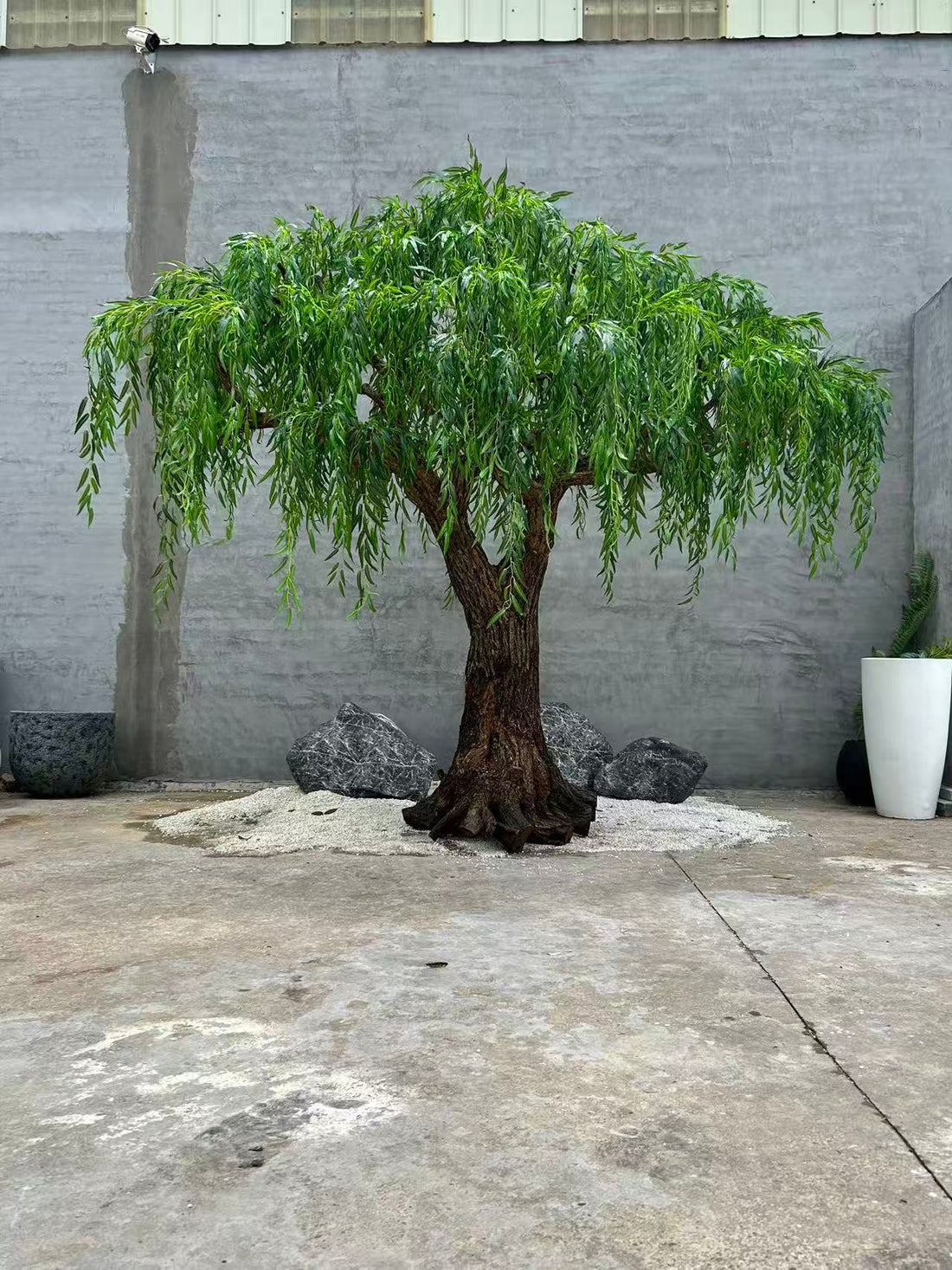
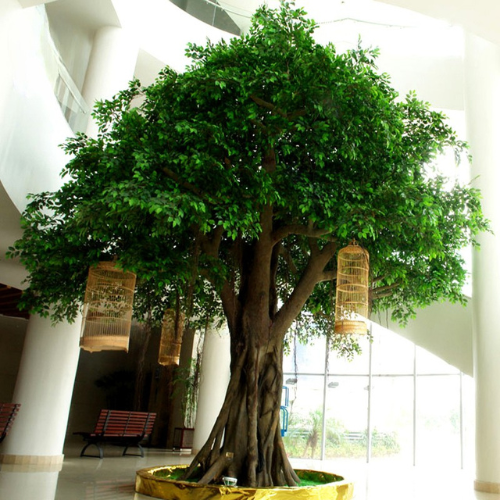
Artificial trees for zoning spaces offer an elegant way to define areas, guide movement, and enhance atmosphere without building walls. With Faux Natural, every tree is thoughtfully designed to feel like living greenery, allowing you to frame views, create intimacy, and sculpt the flow of a room with ease. From open-plan homes and studios to sophisticated hospitality venues and contemporary workplaces, these decorative trees for separating spaces bring structure and serenity wherever they are placed. Explore versatile options in the wider collection of artificial trees to shape your layout with intention.
Why choose artificial trees for zoning spaces
When a room needs both openness and definition, artificial trees for zoning spaces become a refined design tool. They introduce vertical interest, soften hard architectural lines, and provide subtle separation without disconnecting people from one another. Instead of relying on solid partitions, you can use organic silhouettes and layered foliage to zone areas for different activities while maintaining visual continuity and a harmonious atmosphere.
This collection of tall artificial divider trees is curated for interiors and sheltered ...
Artificial trees for zoning spaces that shape atmosphere and flow
Artificial trees for zoning spaces offer an elegant way to define areas, guide movement, and enhance atmosphere without building walls. With Faux Natural, every tree is thoughtfully designed to feel like living greenery, allowing you to frame views, create intimacy, and sculpt the flow of a room with ease. From open-plan homes and studios to sophisticated hospitality venues and contemporary workplaces, these decorative trees for separating spaces bring structure and serenity wherever they are placed. Explore versatile options in the wider collection of artificial trees to shape your layout with intention.
Why choose artificial trees for zoning spaces
When a room needs both openness and definition, artificial trees for zoning spaces become a refined design tool. They introduce vertical interest, soften hard architectural lines, and provide subtle separation without disconnecting people from one another. Instead of relying on solid partitions, you can use organic silhouettes and layered foliage to zone areas for different activities while maintaining visual continuity and a harmonious atmosphere.
This collection of tall artificial divider trees is curated for interiors and sheltered outdoor areas where style, flexibility, and long-lasting beauty are essential. Each piece is created to reflect the nuances of real trunks and leaves, so your zoning elements feel like part of the architecture rather than an add-on. For projects that span living rooms, kitchens, and hallways, the dedicated range of artificial trees and plants for homes offers especially considered choices.
Design benefits of using space divider artificial trees
Space divider artificial trees allow you to sculpt a room with greenery, creating a sense of order and calm. They work especially well in large or multifunctional spaces where subtle cues are needed to define how each zone is used. Instead of constructing permanent walls, you can compose soft, movable green partitions that respond to changing needs, special occasions, or new layouts.
In practice, this means you can create:
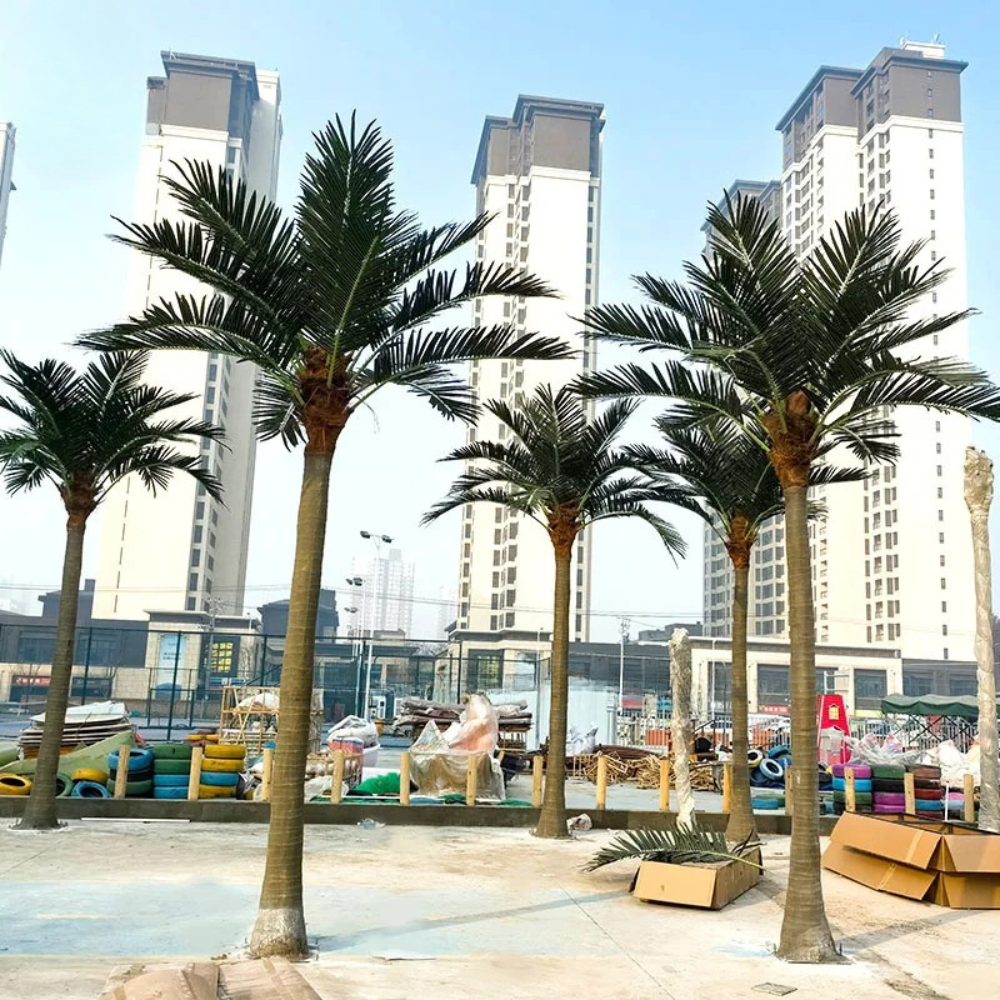
- Relaxed lounges nestled behind a row of palms
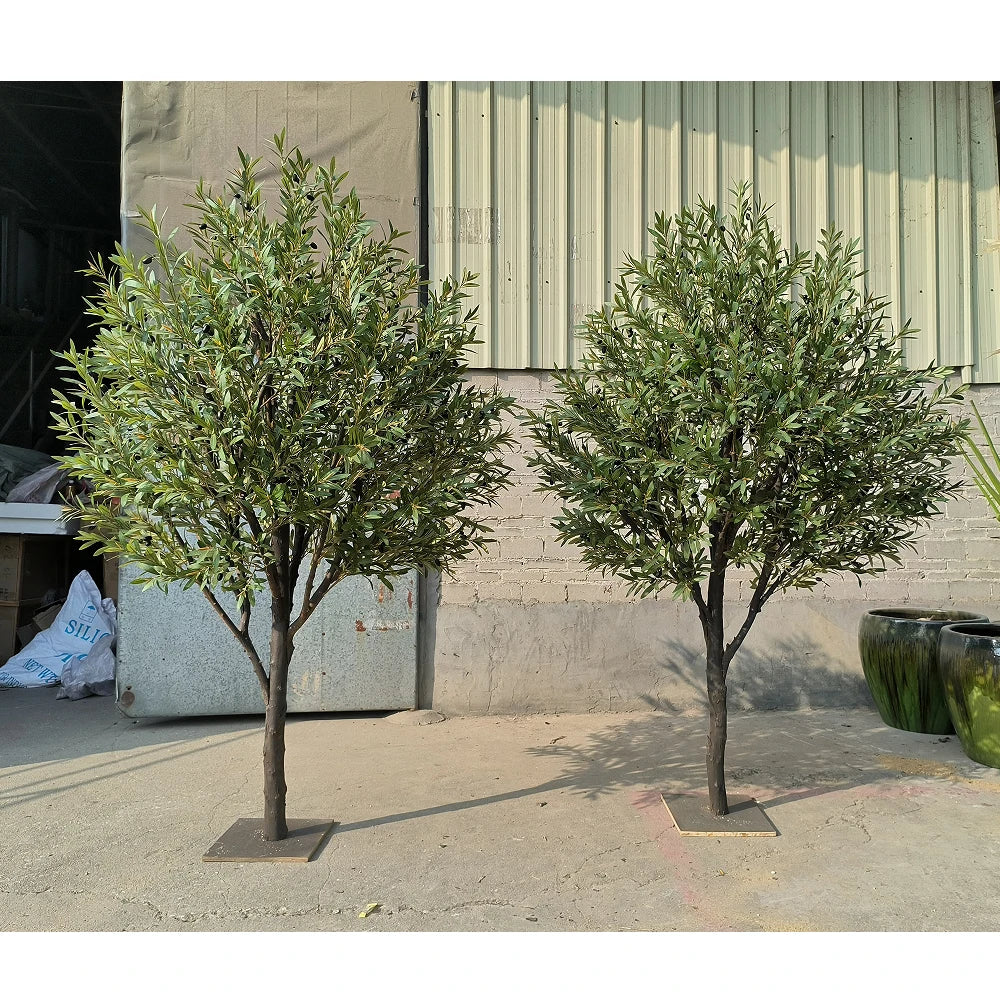
- Intimate dining clusters framed with olive trees
- Focus areas in open offices set apart by slender bamboo
- Entry experiences that unfold gradually through layered greenery
Each arrangement adds depth and perspective, guiding the eye and encouraging a natural flow through the space.
Types of artificial greenery room dividers in the collection
The collection of artificial trees for zoning spaces includes a wide range of shapes, species, and foliage densities, allowing you to tailor your design to the mood and function of each zone.
Artificial bamboo trees create beautifully defined lines with their upright growth and dense foliage. They are ideal when you want a clear division that still feels light, making them excellent as space divider artificial trees along corridors, between desks, or around quiet seating areas. Their repeating vertical rhythm also adds a calming, architectural character to interiors.
Artificial fiddle leaf fig trees offer large, sculptural leaves that create bold silhouettes. These decorative trees for separating spaces are particularly impactful in open-plan living areas, studio apartments, and reception spaces where you want a strong visual anchor. Their broad foliage provides generous screening, making them suitable wherever a more pronounced sense of privacy is desired. For this look, consider the curated artificial fiddle leaf fig trees collection.
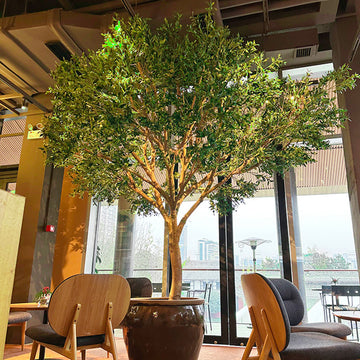
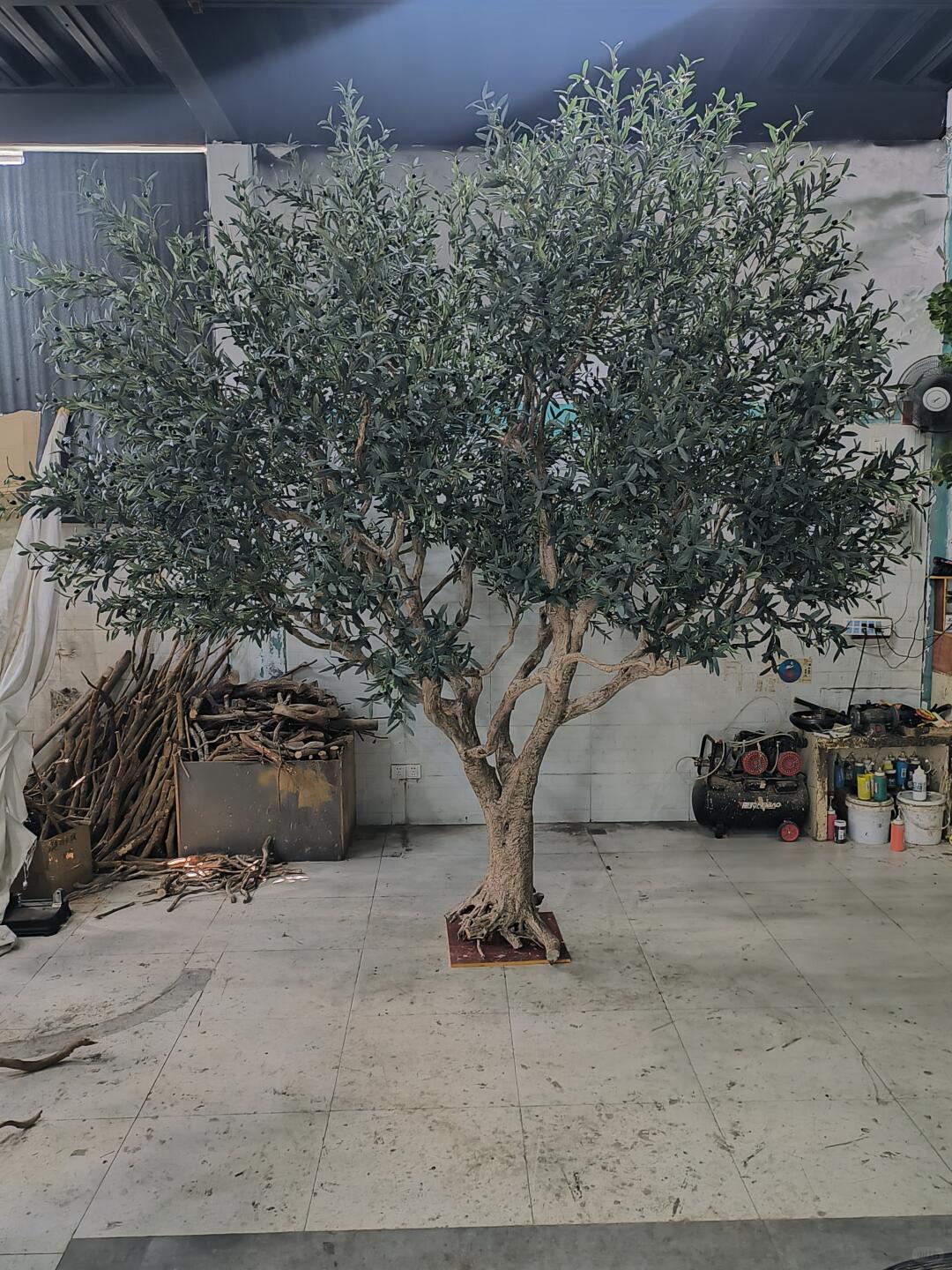
Artificial olive trees provide a more airy, graceful look. Their delicate leaves and branching structure introduce a gentle veil between zones rather than a full barrier. They are well suited to restaurant space divider plants, lounge dividers, and transitional areas where you want to suggest separation while preserving sightlines and ambient light. For a timeless Mediterranean expression, explore the selection of artificial olive trees.
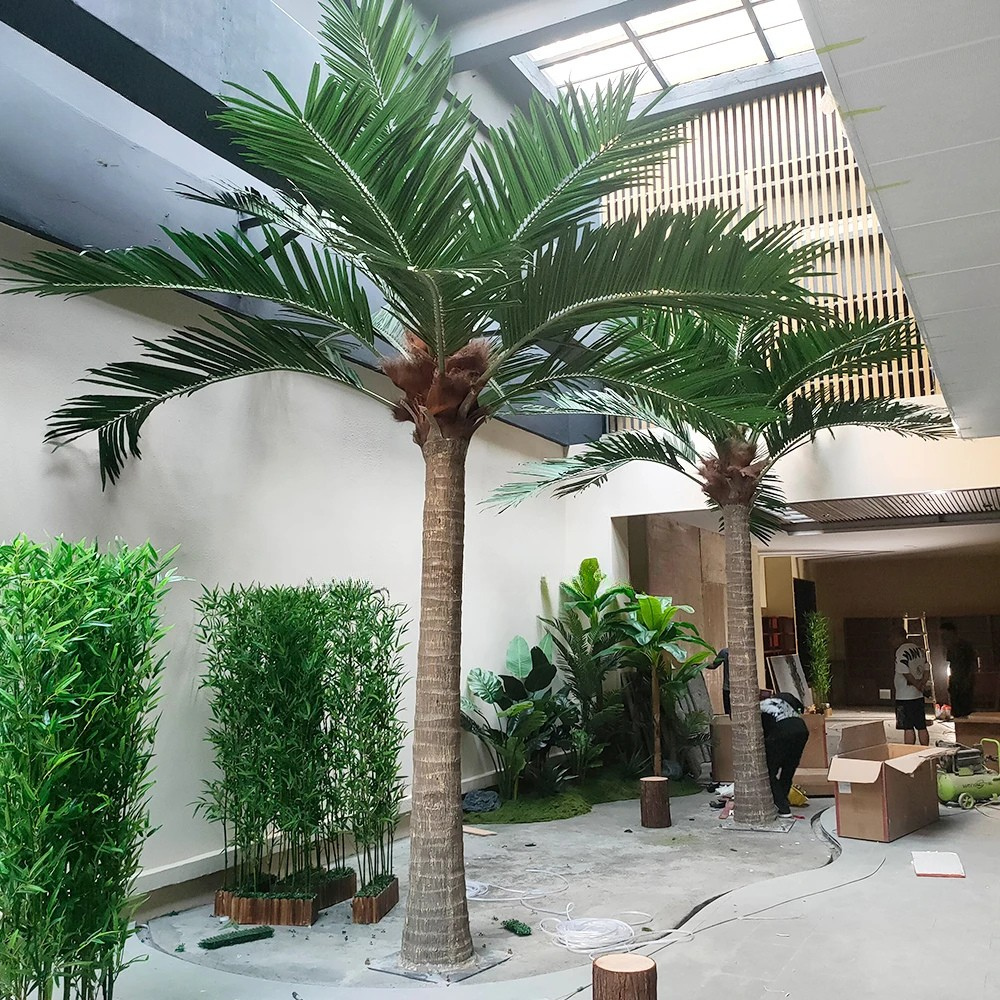
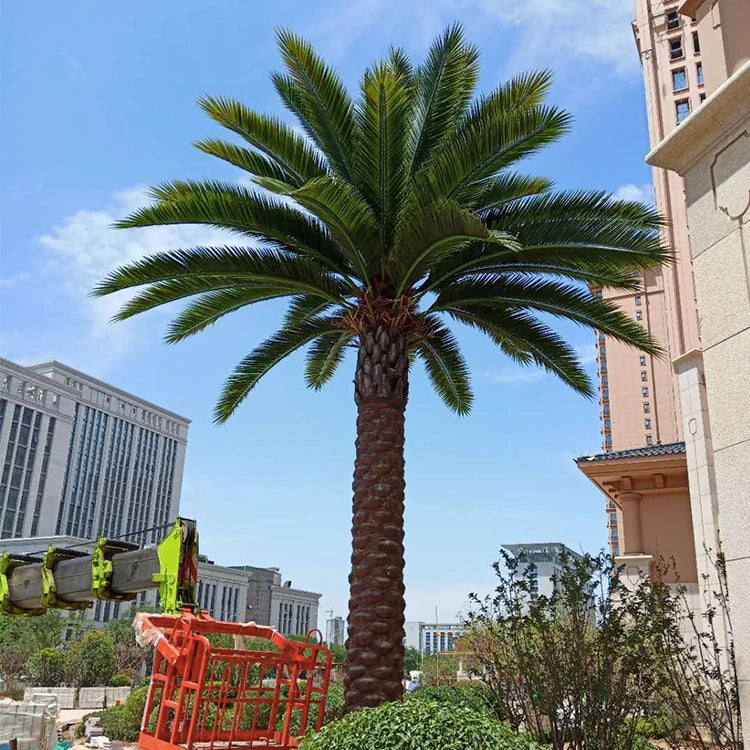
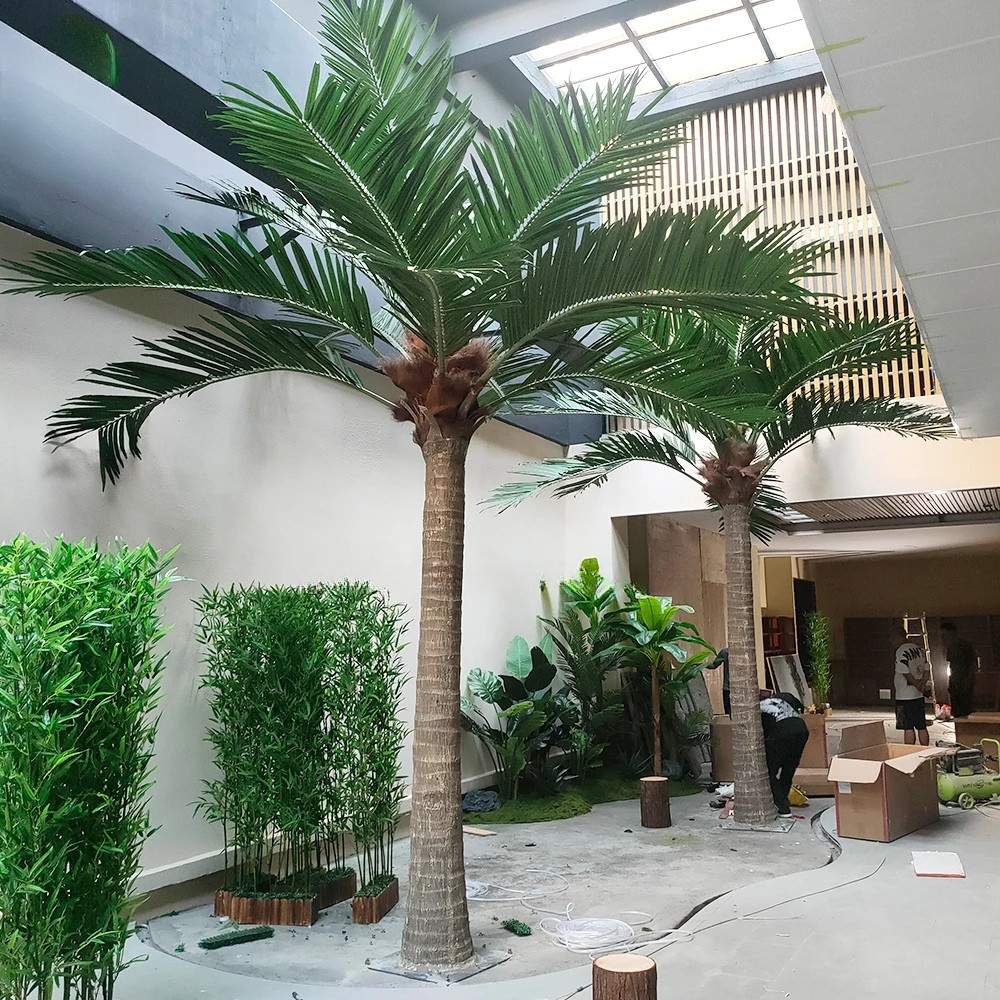
Artificial areca palm trees bring a soft, tropical feel with their feathered fronds. These tall artificial divider trees are perfect for spaces that call for a relaxed, resort-like mood: hotel lounges, poolside terraces under cover, wellness areas, or casual reception zones. Their expressive leaves filter views and light in a way that feels easy and inviting. The category of artificial areca palm trees offers elegant options for these calming green partitions.
Shaping open interiors with artificial trees for open offices
Modern workplaces often rely on large, open floors, and artificial trees for open offices help give these expanses a more human scale. By grouping realistic artificial trees for layouts between banks of desks or near collaborative tables, you can subtly define quiet zones, team areas, and pathways without isolating colleagues.
Space divider artificial trees can be arranged in rows or clusters to form soft boundaries around breakout corners, informal meeting spots, or focus pods. When placed near glass partitions or windows, they also soften reflections and add visual depth, creating a more inspiring and comfortable environment for long working days.
Restaurant space divider plants and hospitality zoning
In restaurants, cafés, and hotel lounges, the right artificial greenery room dividers contribute significantly to the guest experience. Restaurant space divider plants such as bamboo, palms, or olives can be used to:
- Frame intimate tables within a larger dining room
- Subtly separate bar and dining zones
- Create private nooks for special occasions
- Guide guests from entrance to seating with a natural flow
Because these artificial trees for zoning spaces maintain their appearance over time, they are ideal for hospitality environments where consistency, ambience, and atmosphere are key. Their presence helps soften acoustics, enrich sightlines, and give each seating area its own character, all while maintaining a cohesive overall design.
Residential zoning with indoor zoning greenery artificial
In homes and private apartments, indoor zoning greenery artificial offers an elegant way to bring function and intimacy to open-plan layouts. A curated line of artificial trees for zoning spaces can help separate living and dining zones, define a reading corner, or create a gentle threshold between an entry and a lounge without sacrificing the sense of spaciousness.
Placing tall artificial divider trees near a sofa, behind a console table, or alongside a dining bench introduces a layered, designer look. The interplay of furniture and foliage can make each zone feel intentional and carefully composed, while the continuity of greenery ties the whole home together.
Flexible layouts with commercial zoning plants
For commercial interiors and event environments, flexibility is essential. Commercial zoning plants in this category are selected for their ability to move effortlessly as layouts transform. Whether you are setting up a temporary exhibition, reconfiguring a showroom, or adjusting the flow for a corporate gathering, these realistic artificial trees for layouts can be repositioned quickly to suit your plan.
Because many pieces are lightweight or set in portable bases, they can be grouped for more coverage or dispersed for a lighter touch. A series of space divider artificial trees can create an elegant corridor for guests, then later re-form into intimate clusters around seating. This adaptability supports creative staging without the need for permanent construction.
How to choose the right artificial trees for zoning spaces
Selecting the right artificial trees for zoning spaces starts with understanding how you want people to feel and move within each area. Consider three key elements: height, density, and character.
Height determines how pronounced the separation will be. Tall artificial divider trees are ideal for creating strong, room-like zones or shielding specific sightlines. Medium-height trees work beautifully when you want a softer division that complements furniture without overwhelming it.
Density of foliage influences both privacy and light. Dense bamboo or fiddle leaf fig trees offer more visual shielding, great for intimate conversations or focused work. Airier species such as olive or certain palms maintain openness and luminosity while still gently distinguishing one zone from another.
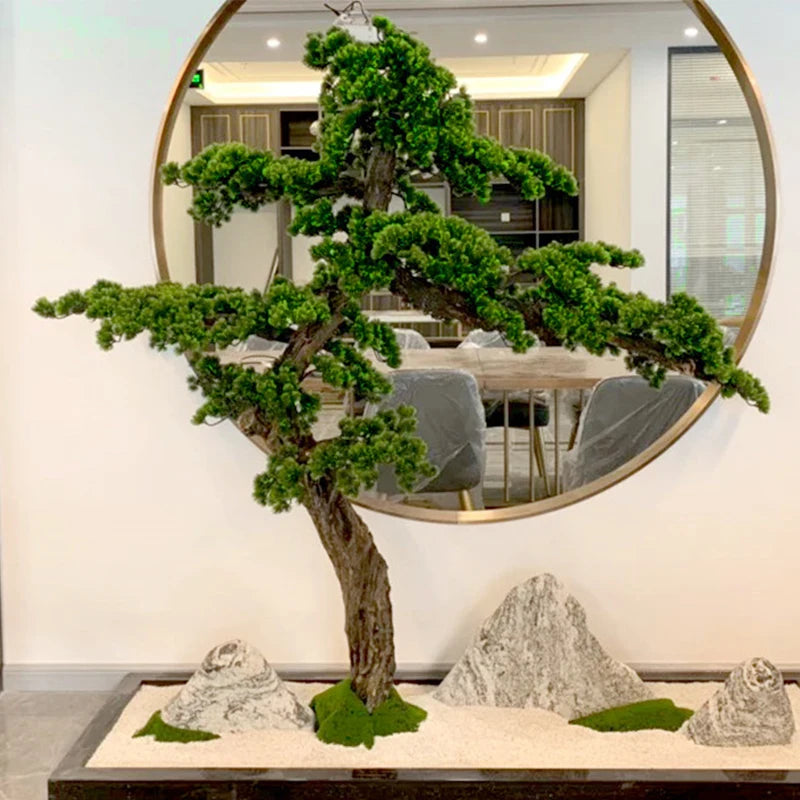
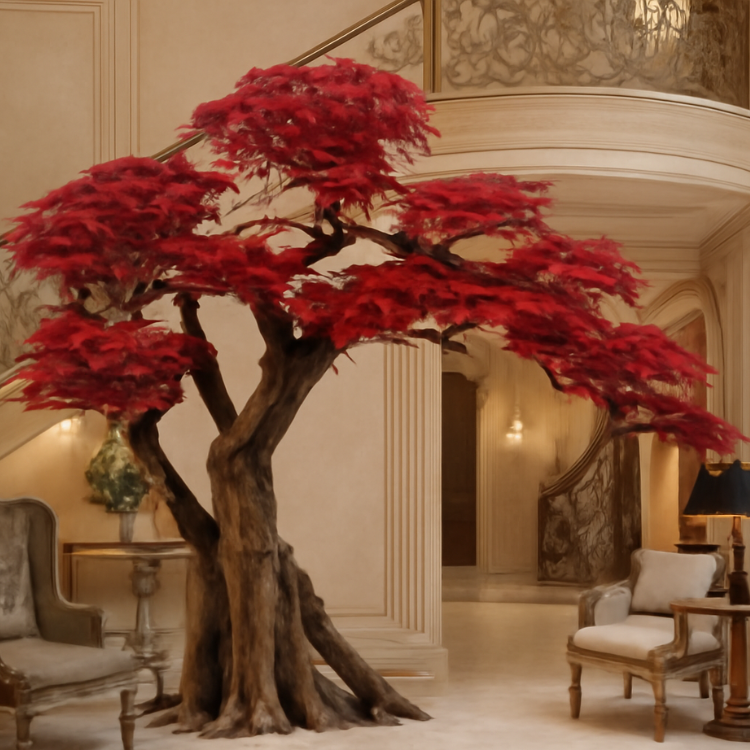
Character speaks to the style and mood of your setting. Sleek, upright forms lend themselves to contemporary offices and galleries, while more relaxed, arching silhouettes suit lounges, wellness areas, or residential living spaces. Aligning the trees’ personality with your interior concept ensures that each space divider feels naturally integrated into the overall design.
Creating layered compositions with artificial greenery room dividers
For a truly curated look, consider combining multiple commercial zoning plants rather than relying on a single line of trees. Layering different species and heights can create a nuanced transition from one area to another. For instance, you might place taller palms at the back, medium-height olive trees in front, and a selection of smaller planters near seating to blend the zones together.
This layered approach works beautifully for artificial trees for open offices, larger hospitality spaces, and multipurpose event venues. It allows each zone to feel distinct yet connected, with greenery guiding the eye smoothly from one vignette to the next.
Elevating every project with realistic artificial trees for layouts
Realistic artificial trees for layouts are more than decorative accents; they are strategic design elements that influence how spaces are used and experienced. With thoughtfully chosen artificial trees for zoning spaces, you can create a sense of privacy without enclosure, introduce movement and life into static architecture, and offer occupants a calming connection to nature-inspired forms.
Whether you are refining a private home, shaping a refined restaurant, planning an immersive event, or designing an expansive workplace, this collection of indoor zoning greenery artificial provides a sophisticated foundation for zoning with greenery. Each piece invites you to reimagine boundaries, create welcoming pathways, and compose spaces that feel both beautifully ordered and effortlessly inviting.
FAQ about artificial trees for zoning spaces
How can artificial trees for zoning spaces help define different areas in an open layout?
Artificial trees for zoning spaces create visual boundaries without building fixed walls. They guide movement, indicate transitions between functions, and keep sightlines partially open. This makes them suitable for flexible layouts in homes, offices, and hospitality settings.
What should I consider when choosing space divider artificial trees for my interior?
Consider height, density of foliage, and the footprint of the base to match your zoning needs. Tall artificial divider trees work well where more separation is required, while lighter foliage suits areas needing more light flow. Align the style and color of the decorative trees for separating spaces with existing furniture and finishes.
Are artificial trees for zoning spaces suitable for open offices and commercial layouts?
Artificial trees for open offices can outline workstations, meeting zones, and circulation paths. They offer consistent appearance over time and remain unaffected by varying indoor conditions. Commercial zoning plants can also be repositioned as floor plans change.
Can artificial greenery room dividers be used in restaurants and hospitality spaces?
Restaurant space divider plants can separate tables, lounge areas, and entrances without enclosing them completely. They support wayfinding and create distinct seating zones. Realistic artificial trees for layouts provide a consistent look during different opening hours and lighting conditions.
How do I decide between individual trees and artificial greenery room dividers on stands?
Individual decorative trees for separating spaces are suitable for flexible, point-specific zoning. Linear artificial greenery room dividers are better for creating continuous partitions along corridors, bar fronts, or seating rows. The decision depends on whether you need localized accents or longer zoning lines.
What sizes of indoor zoning greenery artificial elements work best for different ceilings?
For standard residential ceilings, medium-height indoor zoning greenery artificial trees generally align well with door and window heights. In spaces with higher commercial ceilings, tall artificial divider trees help balance vertical proportions and define volumes. Measure ceiling height and sightlines from seated and standing positions before choosing.