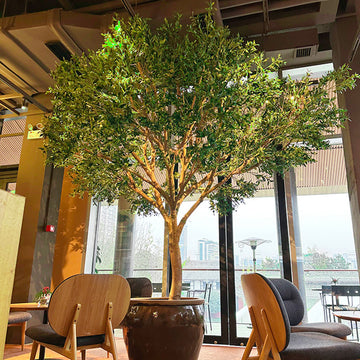
Minimalist artificial greenery for serene, modern spaces
Minimalist artificial greenery brings quiet elegance to interiors where every line, texture, and object is carefully considered. In this curated Faux Natural collection, each stem, leaf, and branch is selected for its calm presence and sculptural form. Instead of lush abundance, you will find silhouettes that breathe, negative space that feels intentional, and greenery that supports a refined, contemporary aesthetic.
Whether you are styling a private home, designing a tranquil office, or curating a gallery-like commercial interior, minimalist artificial greenery creates a sense of balance. Slim eucalyptus stems, delicate olive branches, airy grasses, and understated potted plants offer just enough detail to soften a room without overwhelming it. The result is a harmonious backdrop that feels polished, composed, and effortlessly inviting.
Curated greenery for modern minimalist interiors
This collection of minimalist artificial greenery is designed for interiors where simplicity and clarity are the guiding principles. Instead of bold colors and dense foliage, you will encounter soft greens, muted earth tones, and monochrome arrangements that blend seamlessly with modern materials such as stone, concrete, wood, and metal.
If you favor clean lines and a limited palette, modern minimalist faux plants are an elegant way to introduce organic shapes into your space. A single arching branch in a pale ceramic vase, a low cluster of reeds on a console, or a compact potted succulent on a bedside table can subtly anchor a room and create visual calm.
Single stems and branches as sculptural accents
Single stems and branches are at the heart of sculptural artificial greenery. Their simplicity allows you to play with proportion, height, and negative space, creating compositions that feel almost architectural. Eucalyptus stems, olive branches, fern sprigs, and willow branches can be styled in multiples or left entirely solo for a striking, gallery-like look.
For a minimalist dining table, consider a single line of slender branches spaced along the center. In a hallway or foyer, one tall eucalyptus branch in a narrow vase can become a quiet focal point. Placed on open shelving, a delicate olive stem introduces organic movement while keeping surfaces visually light.
Because these elements are so refined, they pair beautifully with strong shapes: a cylindrical vase, a square plinth, or a round side table. The contrast between clean geometry and fluid botanical form enhances the modern character of the interior while keeping the styling uncluttered.
Small potted plants for discreet, indoor minimalist greenery
For surfaces that call for a grounded, finished touch, small potted plants offer indoor minimalist greenery that feels tailored rather than decorative. Compact faux succulents, small fiddle leaf figs, and sculptural snake plants in matte or cement-style vessels bring a gentle sense of life to desks, bedside tables, coffee tables, and shelving.
These realistic minimalist artificial plants work especially well in rooms where you want greenery to support the design instead of commanding attention. A petite fern in a neutral pot softens a nightstand without visual noise. A pair of mini succulents on a bathroom ledge echoes the simplicity of stone and tile. On open shelving, aligning a single potted plant with books and ceramics creates a pleasing rhythm of heights and textures.
Because the forms are restrained and the tones are neutral, these modern minimalist faux potted plants can be used repeatedly throughout a home or project for a cohesive, curated look.
Grass and reed arrangements for light, airy movement
Grass and reed arrangements introduce texture and movement while still aligning with a minimalist mindset. Wild grass stems, pampas grass, and reed bunches create a sense of gentle motion and softness, particularly effective in rooms dominated by hard or glossy surfaces.
In a living room with a low-profile sofa and clean-lined storage, a cluster of reeds in a tall floor vase adds vertical interest without visual weight. In a bedroom, a few stems of pampas grass on a dresser or windowsill can echo the calm palette of linen, wool, and soft woods. The subtle color variations in these contemporary artificial greenery pieces help to break up monotony while staying firmly within a neutral decor concept.
For event styling, grass and reed arrangements are perfect for framing entryways, defining lounge areas, or softening corners, especially when you want the overall feeling to remain minimal, airy, and composed.
Neutral decor artificial plants for a cohesive palette
Neutral decor artificial plants are essential when your design language is guided by shades of white, beige, stone, and soft green. This collection emphasizes pared-back tones that integrate easily with contemporary furnishings and finishes. Rather than bright florals or dramatic color contrasts, these pieces offer quiet layers of tone-on-tone detail.
Use pale eucalyptus, dusty olive, and feathery grasses to bridge between elements such as warm wood, cool concrete, and soft textiles. A restrained color story allows minimalist artificial greenery to feel like a natural extension of the architecture and furniture rather than an add-on. In hospitality or commercial interiors, this subtlety ensures the greenery supports the atmosphere without competing with signage, artwork, or product displays.
Minimalist olive trees and designer faux trees with presence
When a space calls for a stronger statement, designer minimalist faux trees offer height and presence while honoring a simple silhouette. Minimalist olive trees artificial pieces, in particular, bring a Mediterranean lightness that suits both modern and classic interiors. Their fine branches and small leaves keep the profile delicate, making them ideal for corners, entry zones, and open-plan rooms.
Position a slender artificial olive tree near a floor-to-ceiling window to draw the eye upward and frame the view. In a minimalist office, a single designer minimalist faux tree at the end of a corridor can soften the architecture and signal a transition between zones. In event design, placing tall, slim artificial trees in key sightlines helps define the space without crowding it.
The key is to let these simple artificial trees interiors pieces breathe: give them enough room around furniture and architectural elements so their shape can be appreciated fully.
How to style minimalist artificial greenery in different spaces
Minimalist artificial greenery adapts elegantly to a variety of settings. A few thoughtful principles can guide your selections and placements:
- For living rooms: Choose one or two focal pieces—perhaps a sculptural branch on the coffee table and a minimalist tree near a reading chair. Keep additional greenery low and linear on shelves or consoles.
- For bedrooms: Opt for calming, low-profile designs. A small potted plant on each bedside table and a delicate stem on a dresser is often enough to create a sanctuary-like feel.
- For kitchens and dining areas: Use slim stems or compact pots that do not obstruct sightlines. A simple line of eucalyptus stems down the center of the table or a small cluster of succulents by the sink adds freshness without clutter.
- For offices and workspaces: Integrate realistic minimalist artificial plants along shelves, credenzas, or reception counters to soften edges and create a welcoming but focused atmosphere.
- For events and styled shoots: Combine sculptural artificial greenery with refined tableware and textiles. Repetition is powerful here—rows of identical stems or matching potted plants create a high-impact, low-noise visual statement.
Choosing the right minimalist greenery for your aesthetic
When selecting pieces from this minimalist artificial greenery collection, consider three elements: shape, scale, and mood.
- Shape: Decide whether your interior needs soft curves, vertical lines, or delicate branching to complement existing furniture and architecture. Sculptural artificial greenery with distinctive silhouettes can act almost as functional art.
- Scale: Match the height and volume of your greenery to the room. Tall ceilings often benefit from designer minimalist faux trees, while compact rooms may feel best with low, streamlined arrangements.
- Mood: Subtle grasses and reeds suggest ease and movement, while structured succulents and snake plants convey clarity and order. Olive branches and eucalyptus stems strike a balance between relaxed and refined.
By combining these elements thoughtfully, modern minimalist faux plants and contemporary artificial greenery can support any vision, from serene home sanctuary to elevated commercial environment.
Realistic details for elevated, long-lasting style
Across the collection, attention to detail ensures that each piece of indoor minimalist greenery feels authentic and considered. Natural color gradations, carefully shaped leaves, and nuanced textures make these realistic minimalist artificial plants an integral part of sophisticated interiors. Instead of demanding attention, they quietly enrich the space, allowing light, materials, and architectural lines to remain the main focus.
For home decorators, stylists, and design professionals, this balance of realism, restraint, and versatility makes minimalist artificial greenery an invaluable element in creating spaces that feel both calm and contemporary, whether you are working with indoor artificial plants for residences or curated greenery for refined commercial projects.
FAQ about minimalist artificial greenery
What defines minimalist artificial greenery in interior design?
Minimalist artificial greenery typically features clean lines, restrained color palettes, and simple silhouettes. It is designed to integrate quietly into interiors without visual clutter. These pieces complement streamlined furnishings and neutral surfaces in modern spaces.
How do I choose minimalist artificial greenery for a modern living room?
Select modern minimalist faux plants that mirror the scale of your furniture and ceiling height. Use taller simple artificial trees in empty corners and lower sculptural artificial greenery on sideboards or shelves. Focus on a limited number of pieces to maintain a calm, ordered layout.
Which minimalist artificial greenery works best with neutral decor?
Neutral decor artificial plants with soft green foliage and understated pots blend effectively with beige, grey, and white interiors. Realistic minimalist artificial plants with slim branches and sparse leaves preserve a light visual impression. Avoid overly dense arrangements to keep surfaces clear and balanced.
Are minimalist olive trees artificial suitable for small spaces?
Minimalist olive trees artificial are suitable for compact rooms because of their slender trunks and airy foliage. A single tall tree can define a corner without blocking light or circulation. Pair it with limited indoor minimalist greenery to retain openness.
How can I use designer minimalist faux trees in professional settings?
Designer minimalist faux trees work well in reception areas, meeting rooms, and showrooms where a structured aesthetic is required. Position contemporary artificial greenery along sightlines, such as entrances or corridor ends, to create visual anchors. Keep arrangements symmetrical or evenly spaced for a formal, organized look.
Can minimalist artificial greenery be combined with other decor styles?
Minimalist artificial greenery adapts to various styles because of its simple forms and neutral finishes. It can soften industrial interiors, add structure to eclectic rooms, or introduce order to traditional spaces. Use consistent container materials to link greenery with surrounding furnishings.