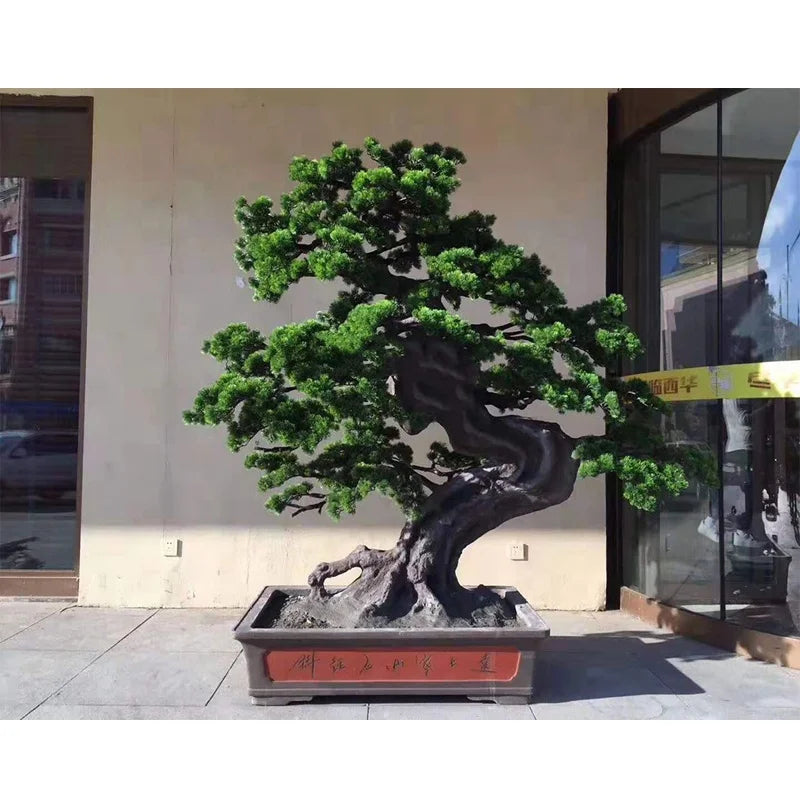
Artificial trees for sound softening that transform every interior
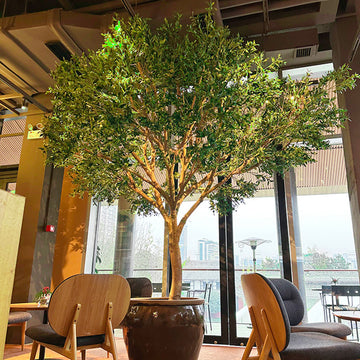
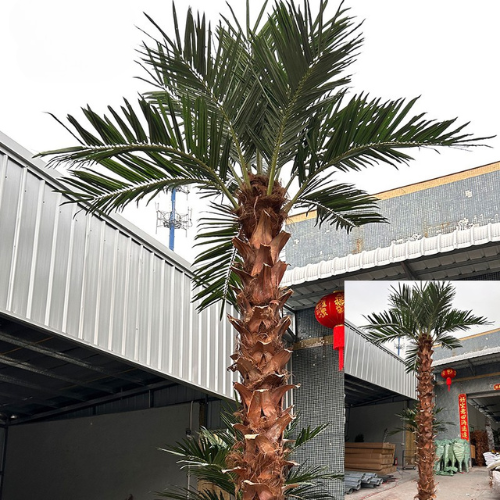
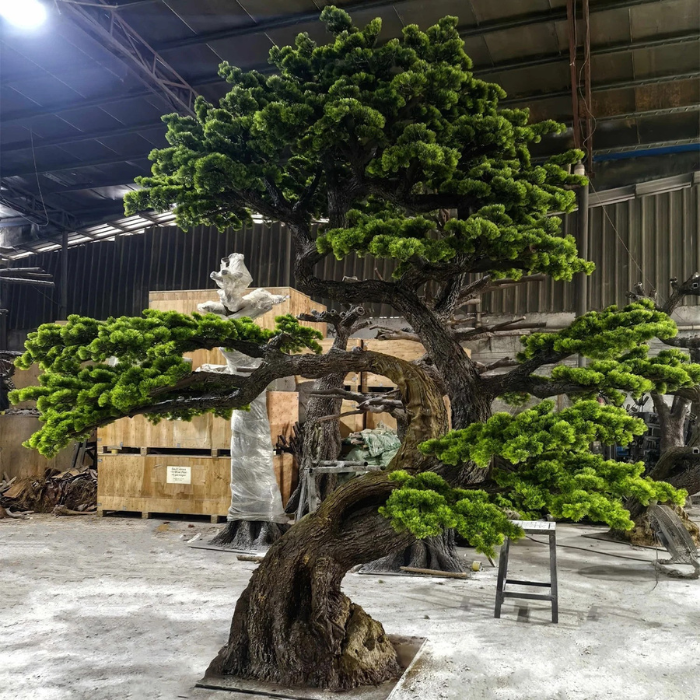
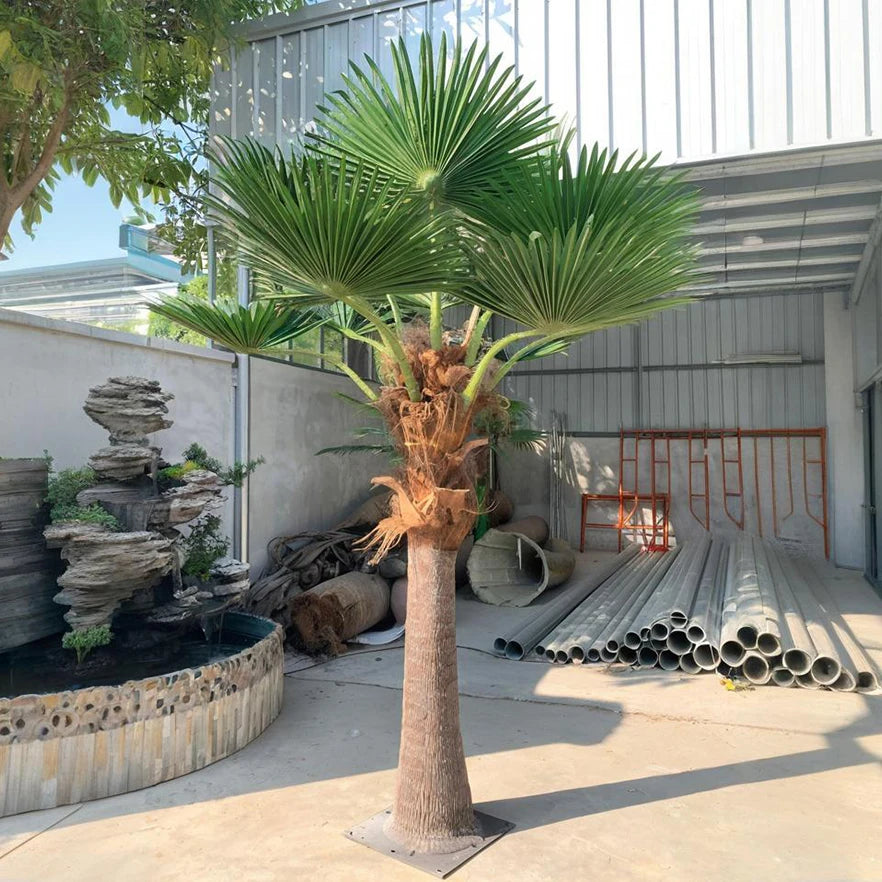
Artificial trees for sound softening bring together acoustic comfort and refined greenery, creating interiors that both look and feel calm. With their dense foliage, sculptural silhouettes, and highly realistic finishes, these trees help soften sound while elevating the aesthetic of modern offices, hospitality spaces, retail environments, and private homes. They are ideal wherever you want to reduce unwanted echoes and create a more intimate, focused atmosphere without compromising on style. Explore a broad palette of lifelike options in our dedicated selection of artificial trees to tailor the look and acoustic expression to your project.
How artificial trees for sound softening enhance acoustics
In open-plan interiors and high-ceiling rooms, sound can easily bounce between hard surfaces such as glass, concrete, wood, and metal. Artificial trees for sound softening introduce textured, voluminous greenery that helps disrupt and diffuse sound waves, making conversations more pleasant and the overall soundscape more balanced. The dense foliage and layered branches act as a natural barrier for mid- and high-frequency noise, contributing to a quieter ambiance where voices and background sounds feel more con...
Artificial trees for sound softening that transform every interior
Artificial trees for sound softening bring together acoustic comfort and refined greenery, creating interiors that both look and feel calm. With their dense foliage, sculptural silhouettes, and highly realistic finishes, these trees help soften sound while elevating the aesthetic of modern offices, hospitality spaces, retail environments, and private homes. They are ideal wherever you want to reduce unwanted echoes and create a more intimate, focused atmosphere without compromising on style. Explore a broad palette of lifelike options in our dedicated selection of artificial trees to tailor the look and acoustic expression to your project.
How artificial trees for sound softening enhance acoustics
In open-plan interiors and high-ceiling rooms, sound can easily bounce between hard surfaces such as glass, concrete, wood, and metal. Artificial trees for sound softening introduce textured, voluminous greenery that helps disrupt and diffuse sound waves, making conversations more pleasant and the overall soundscape more balanced. The dense foliage and layered branches act as a natural barrier for mid- and high-frequency noise, contributing to a quieter ambiance where voices and background sounds feel more controlled.
Acoustic artificial greenery can be used to subtly define zones within a room, creating visual and acoustic separation between areas without solid partitions. Placed strategically between workstations, meeting areas, lounge zones, and circulation paths, faux trees with acoustic effect support a more focused and comfortable environment while maintaining openness and flow. Collections tailored for specific settings, such as artificial trees and plants for offices and workspaces, make it easy to integrate acoustic greenery into professional interiors.
Where to use decorative acoustic plants indoor
Artificial plants for noise reduction are especially well suited for interiors where many people gather, move, and interact. Consider integrating sound absorbing greenery artificial in spaces such as:
- Open-plan offices needing calmer work zones and softer meeting areas
- Collaborative spaces where different teams work side by side
- Reception areas and lobbies that can otherwise feel echoey and impersonal
- Restaurants and cafés seeking a more intimate, relaxed sound environment
- Hotel lounges and bars where guests appreciate both ambiance and discretion
- Retail spaces that benefit from a soothing backdrop for customers
- Home offices, media rooms, and living areas with hard floors and minimal textiles
In each of these settings, realistic artificial trees interiors harmonize with existing architecture and décor while quietly improving the acoustic experience. They suit both contemporary, minimalist schemes and more classic interiors, adapting through planter choices, tree types, and scale. For inspiration tailored to the hospitality world, discover curated solutions within artificial trees and plants for restaurants and cafés and artificial trees and plants for hotels and hospitality.
Choosing the right faux trees for acoustic effect
Selecting the most suitable faux trees acoustic effect for your project begins with understanding the character of your space and how people use it. Consider the following aspects when curating your collection of artificial trees for sound softening:
- Room size and height: Larger, taller spaces often benefit from statement trees—such as a faux olive tree or faux fiddle leaf fig—that visually and acoustically anchor the interior. In more compact areas, slender shapes like faux bamboo or faux dracaena add acoustic structure without overwhelming the room.
- Activity level: In busy environments with constant conversation, movement, and background sound, a grouping of several artificial plants for noise reduction can contribute more noticeable sound softening than a single tree used alone.
- Layout and circulation: Use acoustic artificial greenery along corridors, around seating clusters, near reception counters, or between meeting tables. Positioning trees where sound travels or concentrates helps enhance their acoustic contribution.
- Visual tone: Each species brings a different aesthetic expression—lush and tropical, clean and architectural, or soft and Mediterranean. Choose trees that echo the mood and identity of your interior.
Popular styles of artificial trees for sound softening
The collection of artificial trees for sound softening includes a curated selection of refined tree forms and foliage types, each bringing its own visual language and acoustic presence:
- Faux olive tree: Subtle, elegant, and beautifully textured. Ideal for calm reception areas, refined offices, and boutique interiors seeking a soft, Mediterranean character. Explore the dedicated range of artificial olive trees to achieve this understated atmosphere.
- Faux fiddle leaf fig: With its large, sculptural leaves, this tree creates a bold statement while adding volume and sound-softening foliage. Perfect for design-forward workspaces, creative studios, and contemporary homes, especially when selected from collections of artificial fiddle leaf fig trees that echo high-end interior styling.
- Faux bamboo: Tall and slender, with layered canes and fine leaves that create a gentle acoustic screen. Suitable for zoning in open-plan spaces and along glazing or partitions.
- Faux bird of paradise: Distinctive and architectural, this tree introduces a luxurious, tropical note while contributing to a more controlled soundscape in lounges and hospitality settings.
- Faux areca palm: Lush and airy, this palm brings a relaxed, resort-like feeling to interiors. Its multiple fronds help break up sound while softening edges and corners, particularly when drawn from specialized selections of artificial areca palm trees that balance elegance and volume.
- Faux dracaena: Clean-lined and modern, dracaena works beautifully in offices and reception areas where a structured, minimal expression is desired.
- Faux sansevieria (snake plant): Vertical and graphic, ideal for lower-height acoustic accents. Arrange several together for a sound-softening band along walls, windows, or seating areas.
By mixing different tree types and heights, you can create layered compositions of decorative acoustic plants indoor that provide both visual depth and acoustic relief.
Designing with artificial trees for offices acoustics
Artificial trees for offices acoustics support thoughtful workplace design where productivity, well-being, and aesthetics are equally prioritized. They allow designers and facility planners to introduce generous greenery into areas where natural plants may not be practical, while also helping to calm the acoustic environment.
Use commercial acoustic greenery to frame collaborative zones, soften the edges of open work areas, and highlight key touchpoints such as entrance zones and informal meeting spots. A cluster of realistic artificial trees interiors can act as a semi-transparent divider between focused workstations and social spaces, providing a sense of separation without blocking light or visibility.
In meeting rooms and project spaces, one or two carefully chosen artificial plants for noise reduction introduce both warmth and acoustic refinement. Their presence supports more comfortable conversations, helping voices sound less sharp and more balanced across the room.
Creating intimate hospitality and retail atmospheres
For restaurants, cafés, hotels, and retail environments, acoustic artificial greenery is a powerful tool to shape the mood and perceived quality of the space. Sound absorbing greenery artificial can make dining areas feel more private, encourage guests to linger, and create a calmer backdrop for conversations.
Place faux trees acoustic effect between tables, alongside banquettes, or near bar areas to break up sound paths and visually define seating zones. In hotel lobbies and lounges, tall artificial trees for sound softening introduce a sense of tranquility and arrival, softening the acoustic energy of check-ins, conversations, and background music.
In boutiques and showrooms, realistic artificial trees interiors draw the eye, soften architectural lines, and subtly moderate the acoustic profile. Their refined presence underscores a sense of curation and attention to detail that aligns with elevated interior styling.
Balancing aesthetics and function with commercial acoustic greenery
Commercial acoustic greenery allows interior designers, architects, and stylists to work with greenery as a strategic design element rather than a purely decorative accent. By considering both visual composition and sound behavior, you can craft interiors where every artificial tree contributes to the spatial narrative.
Combine larger artificial trees for sound softening with lower decorative acoustic plants indoor, such as compact palms or vertical snake plants, to create layered acoustic zones. Use planters and vessels that harmonize with your material palette—stone, metal, wood, or minimalist finishes—to reinforce the overall concept of the space. In this way, each element supports not only the eye but also the acoustic comfort of those who use the room daily.
Integrating indoor greenery for sound control in private homes
While commercial projects often lead the way in acoustic design, indoor greenery for sound control is equally relevant in residential interiors. Open-plan living spaces, double-height areas, and home offices benefit from sound absorbing greenery artificial that gently moderates echoes.
A graceful faux olive tree in a living room corner, a lush faux areca palm near a staircase, or a composed pair of faux fiddle leaf figs framing a media wall can all introduce subtle acoustic softening alongside visual warmth. Artificial plants for noise reduction work especially well in homes with hard flooring, large windows, and minimal textile drapery, helping spaces feel more inviting and comfortable for everyday life.
Curating a cohesive acoustic greenery concept
When planning a project with artificial trees for sound softening, think in terms of an overarching greenery concept that ties the entire interior together. Choose a palette of two to four main tree types that reflect the mood you want to create—calm and understated, lush and tropical, or sculptural and contemporary.
Repeat these species across different areas and levels of the space, adjusting height, planter style, and density to suit each zone. This approach ensures that your selection of acoustic artificial greenery feels intentional and harmonious, while delivering consistent sound softening benefits across the interior. The result is a refined environment where greenery becomes an integral part of the acoustic and visual identity, supporting both daily comfort and long-term enjoyment.
FAQ about artificial trees for sound softening
How do artificial trees for sound softening contribute to better acoustics?
Artificial trees for sound softening help break up sound waves and reduce echo in hard-surfaced interiors. Their foliage and branching create diffusion, which can support other acoustic solutions in a room. They are often used alongside panels, textiles, and furniture to refine overall sound quality.
Where can artificial trees for sound softening be used most effectively?
These trees are frequently placed in open-plan offices, reception areas, meeting rooms, and lobbies. They also support sound control in restaurants, co-working spaces, and event venues. Positioning them near reflective surfaces or in large open zones can enhance their contribution to acoustics.
What is the difference between acoustic artificial greenery and regular decorative plants?
Acoustic artificial greenery is selected and arranged with a focus on enhancing sound diffusion and absorption. It is often used in larger groupings or positioned strategically for indoor greenery for sound control. Regular decorative greenery is typically arranged with visual styling as the main priority.
Can artificial plants for noise reduction be used in small interiors?
Artificial plants for noise reduction can be effective in compact rooms when placed near walls or corners. In smaller spaces, fewer but denser pieces of sound absorbing greenery artificial can influence perceived echo and sharpness. They can be combined with soft furnishings to optimize acoustic comfort.
Are artificial trees for offices acoustics suitable for commercial interiors with high ceilings?
Artificial trees for offices acoustics can help in tall spaces by breaking vertical sound paths and softening reflections at eye level. Groupings of commercial acoustic greenery placed under high ceilings add both volume and sound-diffusing surfaces. This approach is often used in reception halls, atriums, and conference areas.
Do realistic artificial trees interiors work for dedicated acoustic zones or focus areas?
Realistic artificial trees interiors can define quiet zones by creating partial visual and acoustic separation. When arranged as clusters of decorative acoustic plants indoor, they help reduce direct sound travel between workstations or seating areas. This is useful for focus rooms, lounge corners, or semi-private meeting points.