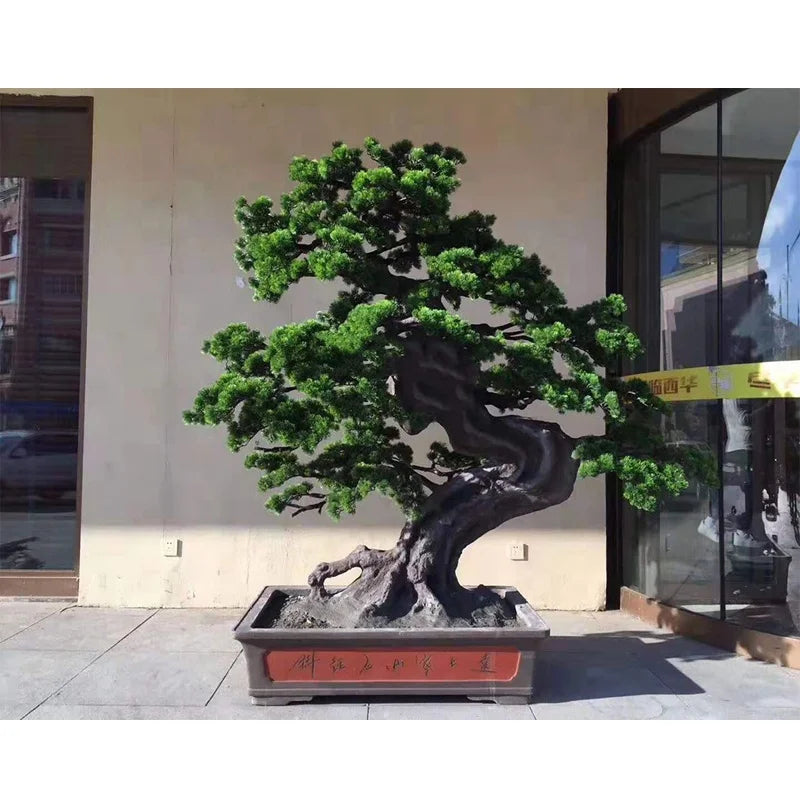
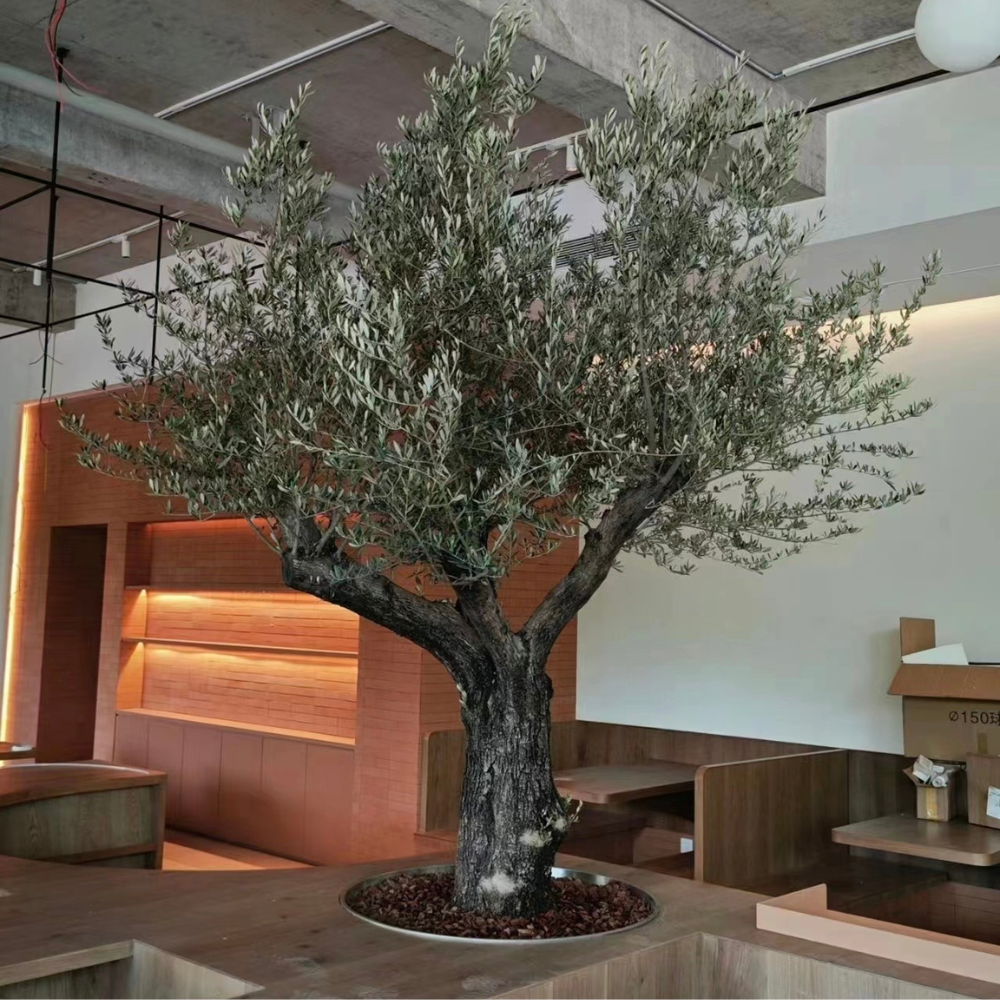
Artificial trees for dividing restaurant tables with natural elegance
Artificial trees for dividing restaurant tables offer a graceful way to shape your dining room, define zones, and create a sense of intimacy without installing permanent structures. At FauxNatural, this collection is curated for restaurants, cafés, hotels, and event venues that want to frame every table with greenery and atmosphere. Each piece is designed to feel like a living tree, while providing a refined, structured backdrop for memorable dining experiences. Explore dedicated concepts for hospitality layouts in our artificial trees and plants for restaurants and cafés.
Thoughtfully placed, these artificial trees for dividing restaurant tables guide the flow of a room, soften lines of sight, and turn open layouts into a series of inviting, semi-private pockets. Whether you are working with an expansive floor plan or a compact urban space, they allow you to adjust your layout with ease, introducing height, movement, and visual rhythm wherever guests sit.
Designing restaurant layouts with artificial trees as natural partitions
For many interior designers and hospita...
Artificial trees for dividing restaurant tables with natural elegance
Artificial trees for dividing restaurant tables offer a graceful way to shape your dining room, define zones, and create a sense of intimacy without installing permanent structures. At FauxNatural, this collection is curated for restaurants, cafés, hotels, and event venues that want to frame every table with greenery and atmosphere. Each piece is designed to feel like a living tree, while providing a refined, structured backdrop for memorable dining experiences. Explore dedicated concepts for hospitality layouts in our artificial trees and plants for restaurants and cafés.
Thoughtfully placed, these artificial trees for dividing restaurant tables guide the flow of a room, soften lines of sight, and turn open layouts into a series of inviting, semi-private pockets. Whether you are working with an expansive floor plan or a compact urban space, they allow you to adjust your layout with ease, introducing height, movement, and visual rhythm wherever guests sit.
Designing restaurant layouts with artificial trees as natural partitions
For many interior designers and hospitality professionals, restaurant divider plants artificial are an elegant alternative to solid panels or screens. Instead of blocking the eye entirely, they filter views, framing tables with foliage and natural forms. This creates privacy while preserving a pleasant sense of openness and connection across the room.
Artificial greenery restaurant partitions can be used to:
- Separate two-top or four-top tables into cozy nooks
- Define VIP or lounge-style seating areas
- Create subtle pathways between bar, dining, and waiting zones
- Soften edges around service stations and host stands
Because these faux trees for restaurant privacy are freestanding, they can be arranged in straight lines, gentle curves, or clusters, depending on the mood and function of the space. The result is a layout that feels both intentional and organic, with plant life forming the core of your spatial design.
Bamboo trees: slender, modern privacy between tables
Artificial bamboo trees are a favorite choice for dividing restaurant tables where both privacy and a light, contemporary look are important. Tall, slender trunks rise from sleek planters and are crowned with dense, finely detailed foliage. When used as decorative restaurant divider trees, bamboo offers a refined, vertical partition that feels airy yet substantial.
Line a series of bamboo trees between parallel rows of banquettes to create secluded seating while maintaining a sense of alignment and structure. In smaller dining rooms, a few carefully positioned bamboo clusters can separate closely placed tables and add a tranquil, spa-like atmosphere. Their minimal silhouette works beautifully in Asian-inspired interiors, modern brasseries, and minimalist cafés alike.
Ficus trees: lush, organic screens for intimate dining
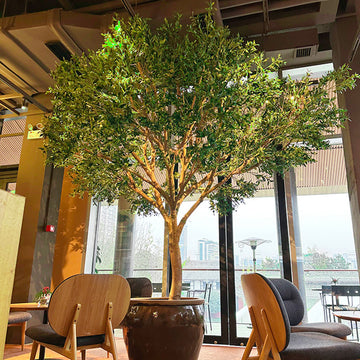
Artificial ficus trees provide a softer, more enveloping form of separation. With full, layered canopies and textured trunks, they function as indoor restaurant privacy plants that feel especially warm and inviting. Their dense foliage makes them ideal whenever you want to cocoon tables, reduce visual distractions, and bring a sense of calm to busy dining rooms.
Position ficus trees at the end of booth seating to mark transitions between sections, or group them between clusters of tables to create micro-environments within a larger hall. Their gentle, organic shape enhances acoustics and visual comfort, supporting conversations that feel relaxed and personal, even when the restaurant is lively. For especially generous canopies and height, consider large artificial ficus trees that can define spaces with a single, sculptural gesture.
Palm trees: open, defined zones with a resort-like feel
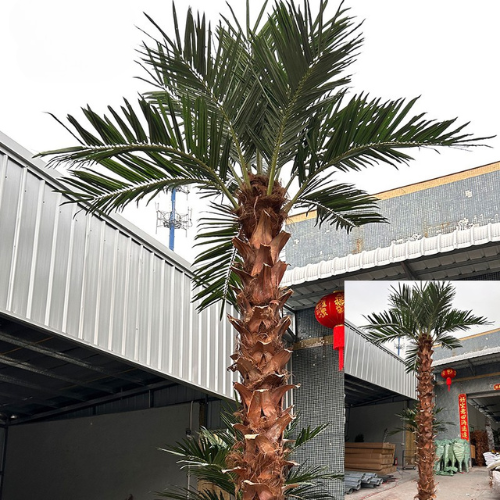
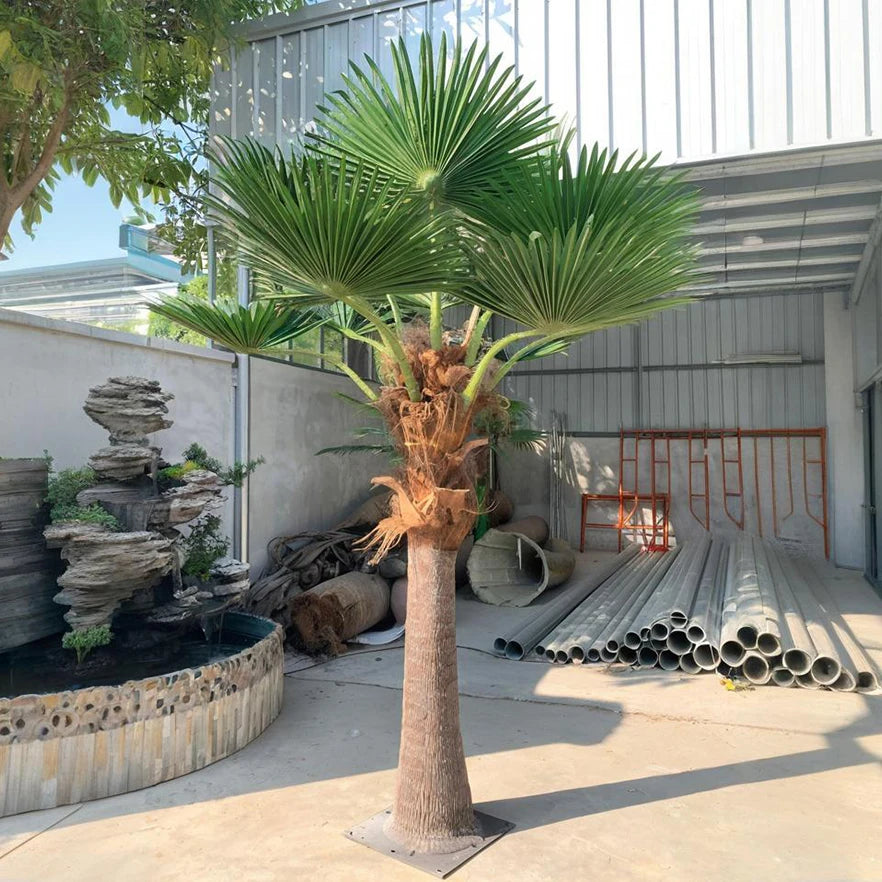
Artificial palm trees introduce a distinctively uplifting mood, perfect for hospitality divider trees in coastal, tropical, or contemporary concepts. Their arching, feathery fronds reach outward rather than forming a solid wall. This makes them ideal when you want tables to feel distinctly framed without closing off the view entirely.
Use palms as artificial plants for restaurant layouts where a breezy, resort-inspired ambiance is key. Strategically placed, they can frame clusters of tables, border a terrace area, or subtly separate bar seating from the main dining room. The interplay between light and foliage brings movement and dynamism, adding height and drama while maintaining a relaxed energy. Designs from the artificial palm trees selection lend themselves beautifully to poolside lounges, rooftop terraces, and bright, airy dining rooms.
Fiddle leaf figs: sculptural statements that define zones
Artificial fiddle leaf fig trees are iconic in modern décor, known for their large, sculptural leaves and bold silhouettes. As decorative restaurant divider trees, they act almost like living art pieces, drawing the eye and anchoring key areas of your interior. Each tree serves both as a functional partition and a visual focal point.
Place fiddle leaf figs between lounge chairs, beside corner banquettes, or along glass walls to create layered, photo-worthy vistas. Their strong vertical lines and broad foliage are especially effective in open-plan spaces, where they can break up large expanses without diminishing the sense of scale. Designers often rely on these realistic restaurant artificial greenery elements to bring warmth to contemporary architecture and minimalist interiors, and the curated artificial fiddle leaf fig trees collection offers options for both intimate and expansive layouts.
Designer dividers: integrated greenery for refined separation
For hospitality concepts that require clean lines and a tailored aesthetic, designer dividers in this category combine artificial greenery with integrated planter screens. These pieces function as self-contained artificial greenery restaurant partitions, offering both structure and foliage in one cohesive element.
Placing these units between rows of tables creates clear, linear boundaries that feel polished rather than rigid. Some designs incorporate varied foliage, adding depth, color, and texture for a layered plant look. They are especially suited to high-end dining rooms, executive lounges, and contemporary hotel restaurants where a curated visual language is essential.
Curating artificial plants for restaurant layouts
Selecting the right artificial trees for dividing restaurant tables begins with understanding the character of your concept and the way your guests use the space. Consider the following when curating your layout:
- Height: Taller trees bring drama and stronger privacy between tables, while mid-height greenery keeps sightlines more open.
- Density of foliage: Choose fuller canopies for secluded seating, or airier silhouettes where you prefer a sense of connection.
- Style and theme: Bamboo, palms, ficus, and fiddle leaf figs each express different moods, from minimal and modern to lush and tropical.
- Planter design: Sleek, architectural planters complement contemporary schemes, while textured or natural finishes emphasize warmth and comfort.
By mixing several types of hospitality divider trees, you can subtly signal the difference between lively social zones, romantic corners, family-friendly sections, and quiet areas suited to business conversations.
Creating flexible privacy with faux trees for restaurant layouts
One of the great advantages of commercial restaurant plants artificial is the flexibility they bring to evolving interiors. As menus, seasons, and guest expectations shift, so can your layout. Artificial trees for dividing restaurant tables can be repositioned to create new pathways, adapt to different party sizes, or re-balance the relationship between bar, dining, and event areas.
For event planners and designers, this mobility is especially valuable. A daytime café can transform into an evening venue simply by reorienting lines of trees to create focal points around a stage, buffet, or tasting counter. Restaurant divider plants artificial are also ideal for semi-permanent pop-up concepts, private dining arrangements, and seasonal themes, allowing you to change the spatial story without structural alterations.
Balancing aesthetics and practicality in hospitality spaces
In busy hospitality environments, indoor restaurant privacy plants must look refined from every angle while staying visually consistent over time. Realistic restaurant artificial greenery offers a stable, reliable canvas for lighting, artwork, and table styling. Color, shape, and density remain harmonious from the first seating to the last, day after day.
Because these commercial restaurant plants artificial do not shed or fluctuate with the seasons, they support a cohesive identity for your venue. Signatures such as a bamboo-lined aisle, a ficus-framed booth cluster, or a row of palms along the windows become integral elements of your brand expression. Guests come to associate the ambiance of your space with these thoughtfully placed trees and the sense of comfort they foster.
Elevating guest experience with restaurant divider plants artificial
Ultimately, artificial trees for dividing restaurant tables are about more than separation. They invite guests into spaces that feel layered, intimate, and alive with visual interest. Faux trees for restaurant privacy frame conversations, create anticipation as guests move through the room, and add a calm, natural presence that enhances every detail of the dining experience.
Whether you are designing a new hospitality concept from the ground up or refining an established interior, this curated collection of hospitality divider trees and artificial greenery restaurant partitions gives you the tools to shape space with confidence. Through a considered mix of heights, species, and planter styles, you can transform open floors into inviting landscapes of greenery, where every table feels perfectly placed.
FAQ about artificial trees for dividing restaurant tables
How can artificial trees for dividing restaurant tables improve dining layouts?
Artificial trees for dividing restaurant tables create clear visual boundaries between seating areas. They help guide guest flow and define pathways without using solid walls. These decorative restaurant divider trees also support flexible layouts when tables are reconfigured.
What should I consider when choosing restaurant divider plants artificial?
Consider the overall restaurant layout, ceiling height, and the level of privacy you want between tables. Choose hospitality divider trees with dimensions that align with table spacing and circulation routes. It is also useful to select realistic restaurant artificial greenery that matches the interior style and lighting conditions.
Do faux trees for restaurant privacy provide effective visual separation?
Faux trees for restaurant privacy can offer effective visual screening between tables and zones. Dense foliage and appropriate height help reduce direct lines of sight. Combining artificial greenery restaurant partitions with existing furniture can further enhance privacy.
Where can artificial plants for restaurant layouts be placed for optimal effect?
Artificial plants for restaurant layouts are often positioned between table rows, along banquettes, and near circulation paths. Indoor restaurant privacy plants can also be placed at entry areas to separate waiting zones from dining spaces. Strategic placement helps maintain sightlines needed for service while still creating defined sections.
Are artificial trees for dividing restaurant tables suitable for commercial environments?
Artificial trees for dividing restaurant tables are commonly used in commercial dining rooms, cafés, and hotel restaurants. Commercial restaurant plants artificial are designed to complement high-traffic hospitality settings. They support consistent aesthetics across multiple seating zones and different times of day.