Artificial trees for coworking spaces that elevate every workspace
Artificial trees for coworking spaces bring a sense of calm, focus, and understated luxury to dynamic shared offices. Whether you are curating a boutique coworking studio, a creative hub, or a large flexible workspace, this collection is designed to infuse interiors with lush greenery and effortless biophilic style. With carefully selected office artificial trees in a range of heights, silhouettes, and foliage types, it becomes simple to create an environment that feels inspiring, welcoming, and distinctly modern.
Design coworking zones with purposeful greenery
Thoughtfully placed artificial trees for coworking spaces can subtly define zones, guide movement, and frame key areas without the complexities of structural changes. Use taller pieces to anchor entrance areas, create visual pauses in open-plan floors, or soften the edges of shared desks. Slim, vertical designs slip neatly between workstations to provide a sense of privacy while maintaining an airy, open feel.
For coworking space greenery that supports both collaboration and concentration, consider how each tree’s scale and density interacts with light, furnishings, and traffic flow. A ...
Artificial trees for coworking spaces that elevate every workspace
Artificial trees for coworking spaces bring a sense of calm, focus, and understated luxury to dynamic shared offices. Whether you are curating a boutique coworking studio, a creative hub, or a large flexible workspace, this collection is designed to infuse interiors with lush greenery and effortless biophilic style. With carefully selected office artificial trees in a range of heights, silhouettes, and foliage types, it becomes simple to create an environment that feels inspiring, welcoming, and distinctly modern.
Design coworking zones with purposeful greenery
Thoughtfully placed artificial trees for coworking spaces can subtly define zones, guide movement, and frame key areas without the complexities of structural changes. Use taller pieces to anchor entrance areas, create visual pauses in open-plan floors, or soften the edges of shared desks. Slim, vertical designs slip neatly between workstations to provide a sense of privacy while maintaining an airy, open feel.
For coworking space greenery that supports both collaboration and concentration, consider how each tree’s scale and density interacts with light, furnishings, and traffic flow. A sculptural topiary can bring order to reception, while a sweeping palm or broad-leaf tree adds relaxed energy to lounges and informal meeting spaces.
Faux fiddle leaf fig trees for modern creative offices
Faux fiddle leaf fig trees are a favorite choice for modern interiors and design-led coworking spaces. Their generous, sculptural leaves and elegant trunks introduce a sophisticated, editorial look that pairs beautifully with contemporary furniture, gallery walls, and statement lighting. Positioned in a corner, beside a sofa, or flanking a communal table, these realistic artificial trees for offices feel instantly at home in creative studios, content workspaces, and design agencies.
Choose taller fiddle leaf fig trees to create a dramatic vertical accent in double-height foyers or expansive hot-desk areas. More compact versions are ideal beside phone booths, focus pods, or reading corners, where they bring softness and comfort without overwhelming the space.
Artificial olive trees for calm, refined coworking interiors
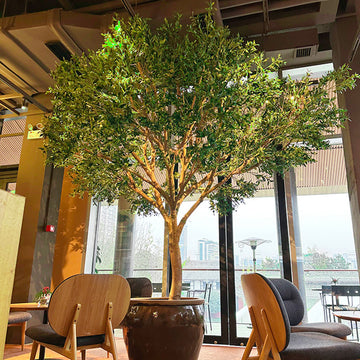
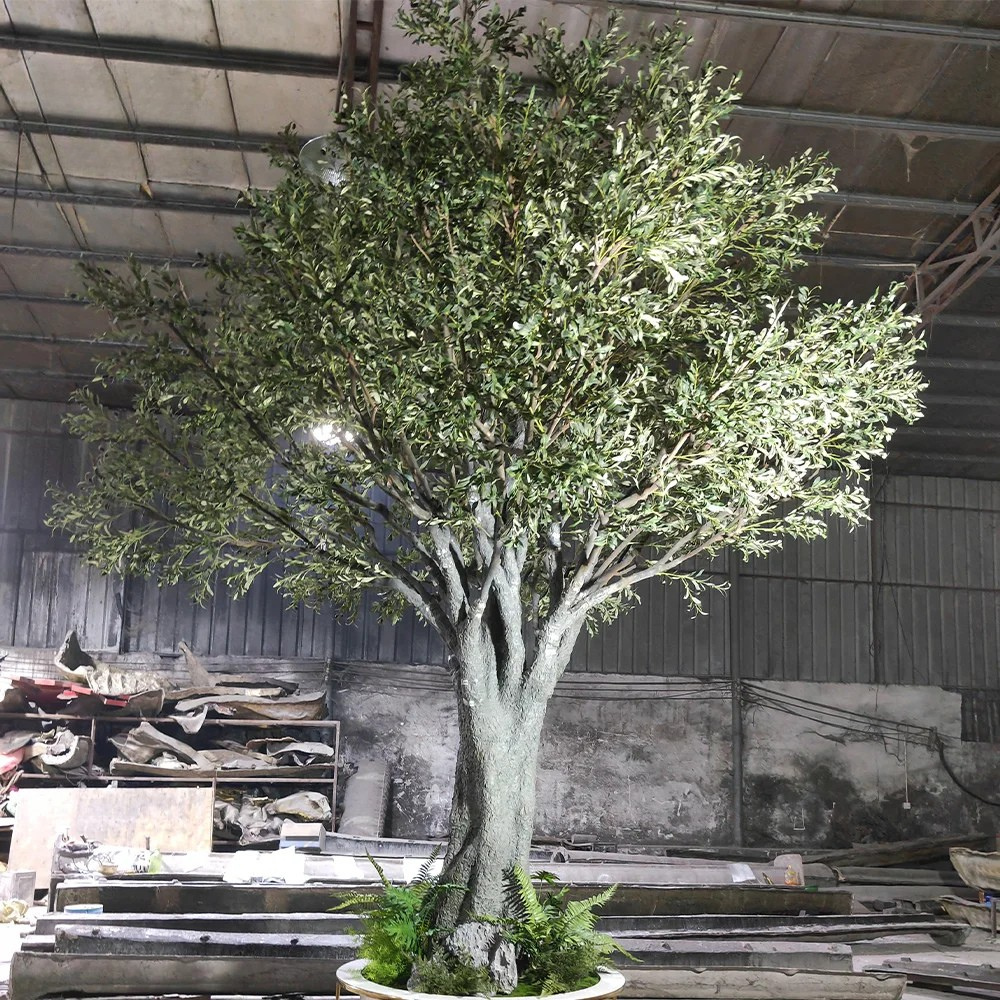
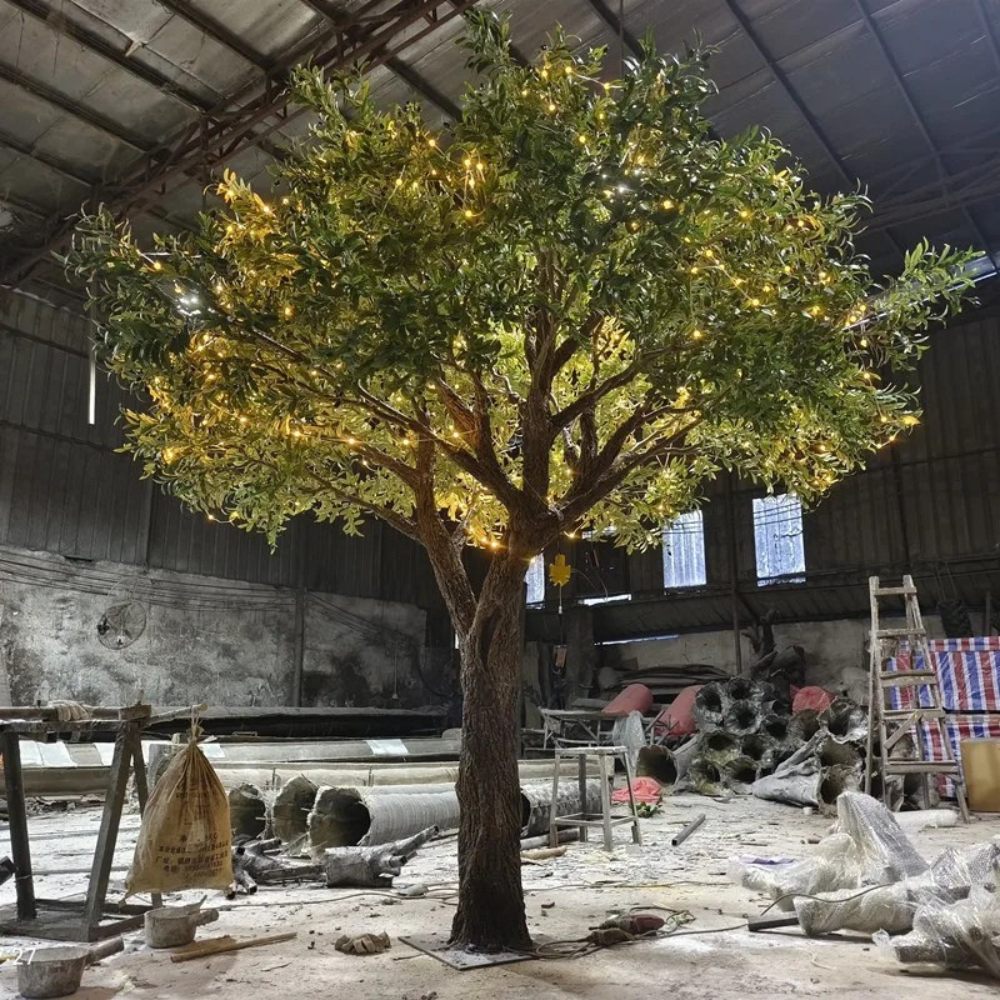
Artificial olive trees offer a particularly refined way to style coworking environments. Their slender branches, delicate foliage, and subtle Mediterranean character lend an atmosphere of quiet sophistication. Because of their slim profile, they are especially effective in narrow corridors, alongside glass partitions, and in compact shared offices where every square meter matters.
Use artificial olive trees to complement soft neutral palettes, natural woods, and textured textiles. They integrate effortlessly into biophilic office design artificial trees schemes, bringing the feel of an urban terrace or sunlit courtyard into meeting rooms, focus nooks, or private offices within the coworking community.
Palms and tropical silhouettes for relaxed lounge areas
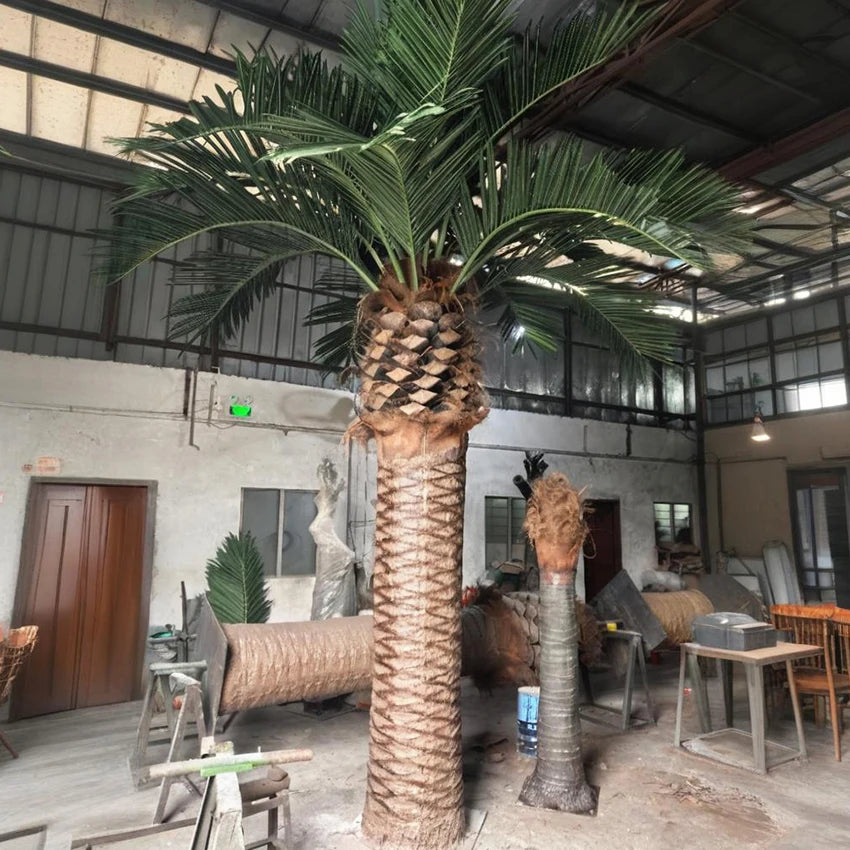
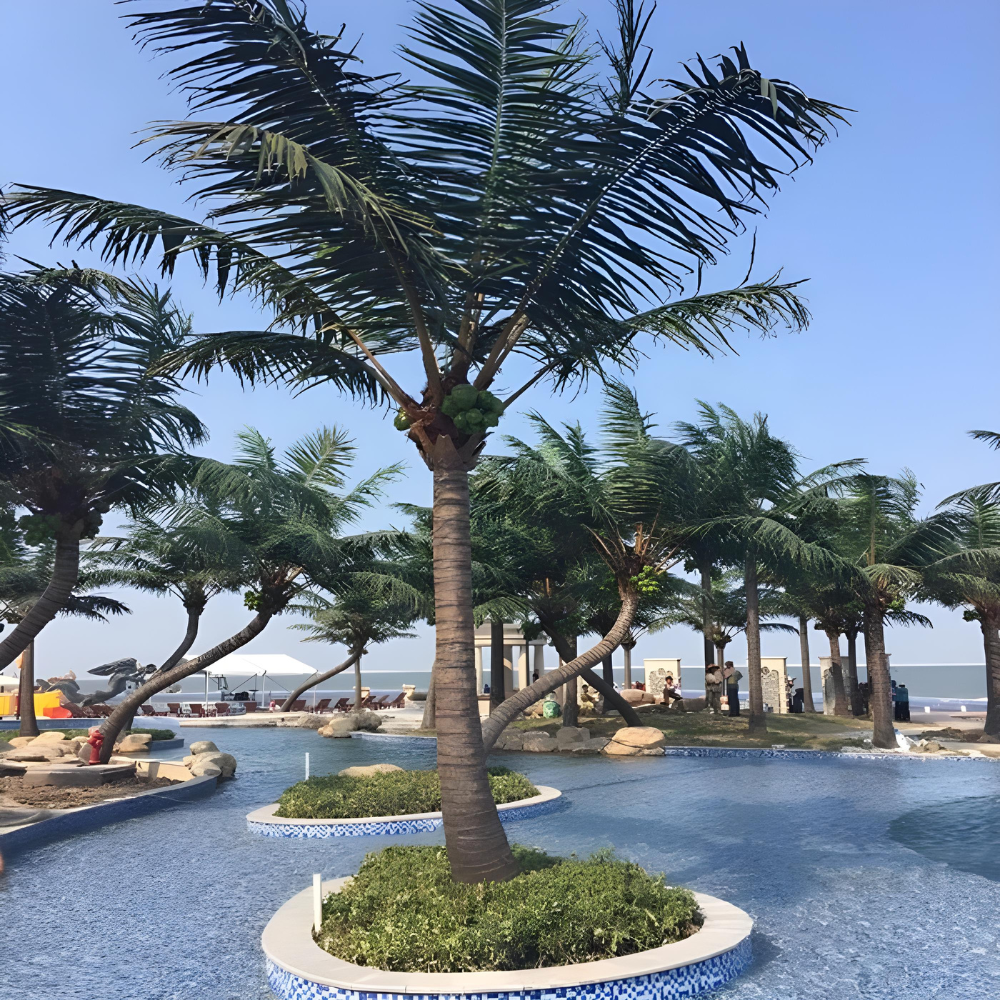
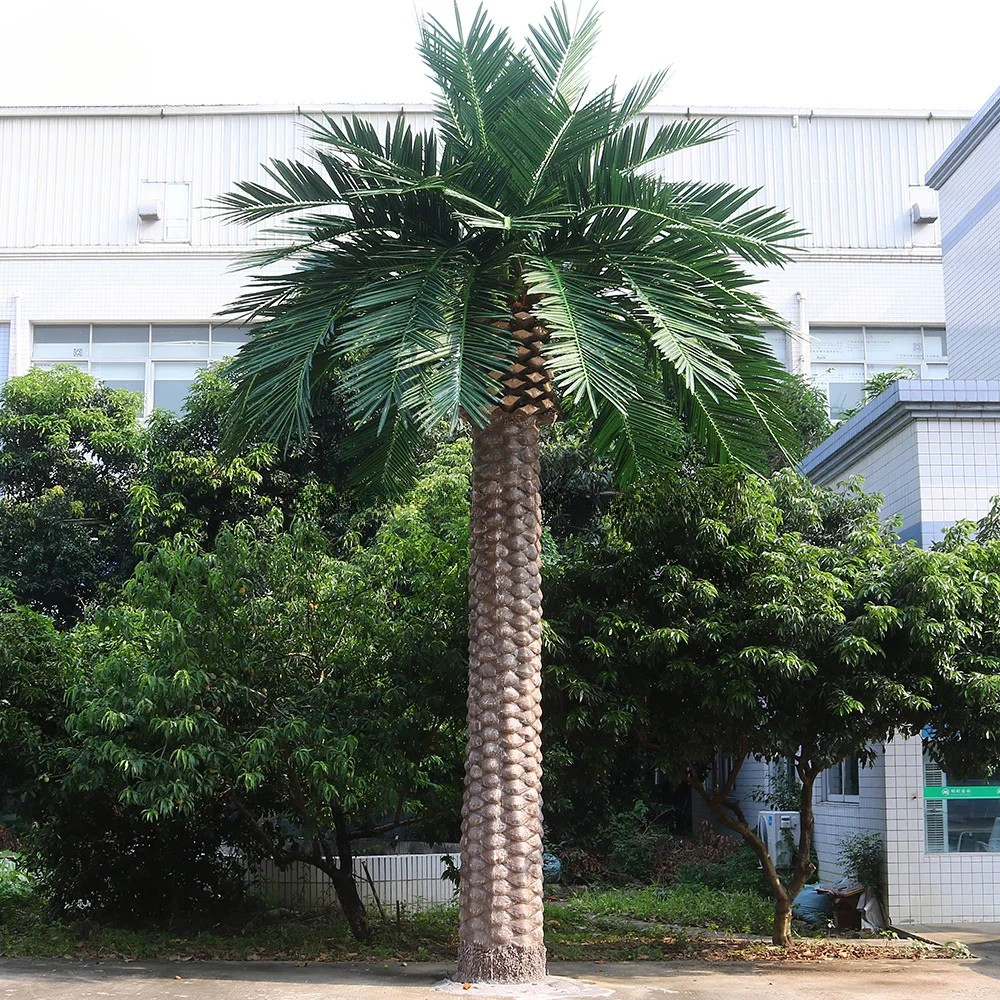
For lounges, break zones, and hospitality-inspired corners, faux areca or kentia palms introduce a distinctly relaxed, resort-like ambiance. Their feathered fronds and airy form add a gentle sense of movement to still interiors, making them ideal companions to lounge chairs, café seating, and informal brainstorming zones.
Place taller palms in pairs to frame a sofa or coffee table, or line several along a wall to soften industrial finishes like concrete, metal, and exposed brick. These indoor artificial trees coworking designers favor help express a more playful, welcoming identity that encourages members to linger, connect, and recharge between tasks.
Boxwood and topiary trees for structure and wayfinding
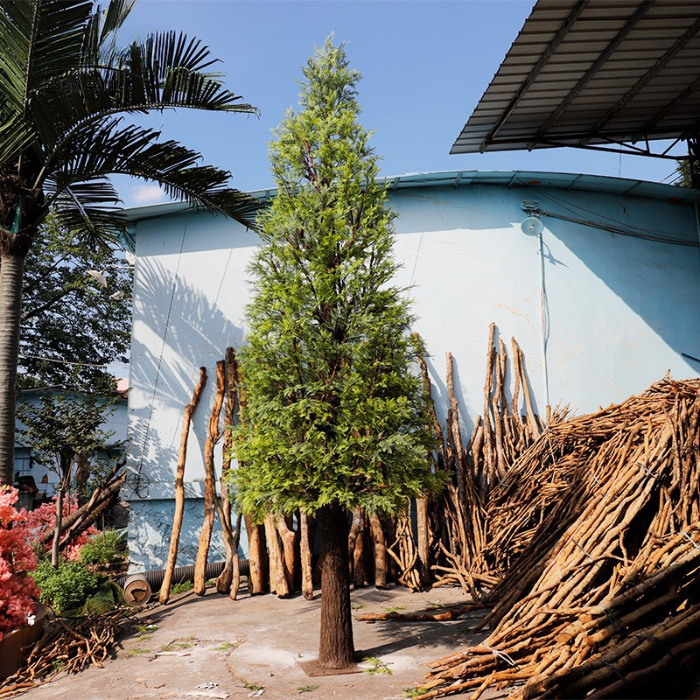
Boxwood and topiary trees introduce structure, geometry, and visual order to shared offices. Their sculpted forms work beautifully in reception areas, along internal corridors, or at the thresholds between different coworking zones. Use them to create subtle wayfinding: a pair by the entrance to a conference room, a line along a hallway, or a cluster marking the transition from open-plan desks to quiet work booths.
These pieces are particularly suited to commercial office greenery artificial schemes where a clean, organized aesthetic is key. They harmonize well with minimal interiors, monochrome palettes, and refined branding, making them ideal for professional services, tech hubs, and executive coworking spaces.
Monstera, bird of paradise, and banana trees as bold focal points
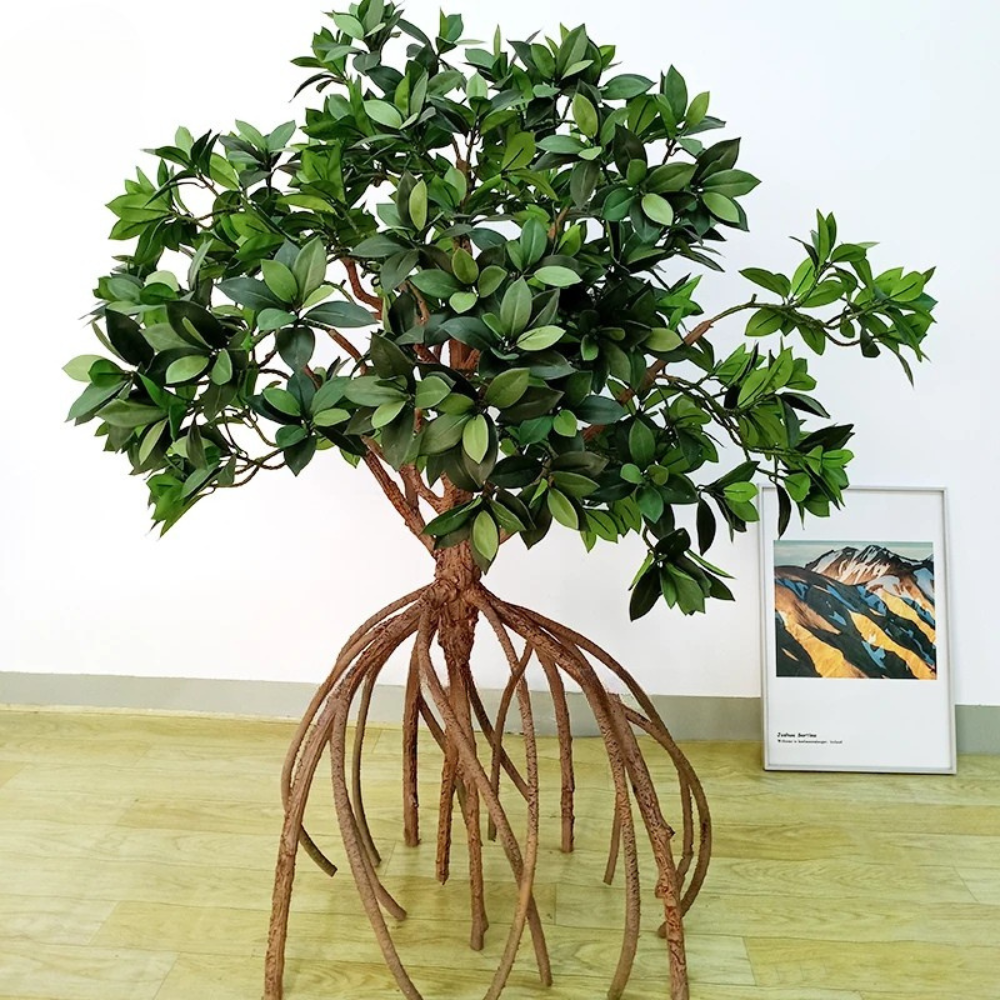
For larger coworking hubs and statement-making interiors, Monstera, bird of paradise, and banana trees deliver dramatic, sculptural impact. Their generous leaves and striking silhouettes transform underused corners, central atriums, and collaboration zones into memorable features.
Use a tall bird of paradise tree to create a focal point at the end of a hallway, or a grouping of Monstera and banana trees to form a lush green “island” between work zones. These pieces lend themselves to biophilic office design artificial trees concepts, where greenery becomes an integral part of the overall spatial narrative rather than just an accessory.
How to choose artificial trees for coworking spaces
Selecting the ideal artificial trees for coworking spaces begins with understanding the character and layout of your environment. Consider:
- Height and scale: Match the height of the tree to ceiling height and furniture scale. Taller pieces suit double-height foyers, open seating areas, and event zones, while mid-height trees are more appropriate beside desks or in smaller rooms.
- Style and mood: Fiddle leaf figs and olives bring elegance; palms create a laid-back atmosphere; boxwood and topiary trees deliver formality and structure; large-leaf varieties make bold, contemporary statements.
- Placement and function: Decide whether the tree should function as a subtle accent, a natural screen, a visual anchor, or a true centerpiece. For example, office artificial trees arranged in staggered positions can gently break up open plans, improving visual comfort between workstations.
- Palette and materials: Coordinate foliage tones and planters with flooring, furniture, and wall finishes. Darker planters ground lighter interiors, while pale or textured vessels lighten the mood in more dramatic spaces.
Curating coworking space greenery for different zones
Different coworking areas benefit from different styles of greenery. Tailor artificial plants for shared offices to each function for a cohesive yet varied environment:
- Reception and welcome areas: Choose statement trees, such as tall fiddle leaf figs, olives, or palms in contemporary planters, to create a memorable first impression and echo the aesthetic of the community.
- Hot-desking and open-plan areas: Opt for slim, vertical trees like olives or slender palms to introduce greenery without consuming valuable floor space. Use them near columns, ends of desk rows, or adjacent to shared storage units.
- Meeting rooms and collaboration spaces: Monstera, bird of paradise, or banana trees can soften technology-heavy rooms, making them feel more human and less corporate. One or two well-placed pieces can transform acoustically treated walls or glass enclosures.
- Quiet zones and focus rooms: Calmer silhouettes, such as boxwood or smaller figs, support an atmosphere of concentration. Their presence adds depth and comfort while keeping visual noise to a minimum.
- Event and workshop areas: Group trees of varying heights to create flexible backdrops for talks, photo shoots, and community gatherings, adapting the arrangement as the space evolves.
Realistic details for polished professional interiors
Realistic artificial trees for offices play an important role in maintaining the polished look expected of premium coworking environments. Carefully crafted foliage, well-proportioned trunks, and thoughtfully designed bases ensure each tree integrates seamlessly with high-end interiors, from minimal Scandinavian workspaces to more eclectic, art-filled studios.
Many designs are complemented by modern pots and planters that echo current design trends—think clean lines, elegant neutrals, subtle textures, and architectural forms. Together, they create a cohesive and considered look that supports your overall concept and elevates the member experience.
Low maintenance office plants for dynamic shared workspaces
Low maintenance office plants in artificial form are particularly well suited to coworking models, where footfall is high, usage patterns shift, and teams rotate frequently. Artificial trees for modern offices maintain their lush appearance from day one, whether they are placed in high-traffic communal areas or quiet corners that see limited daily attention.
This makes it easy to plan ambitious layouts—feature corridors lined with palms, expansive collaboration zones framed with large-leaf trees, or a network of smaller trees throughout private offices—without the logistical concerns typically associated with living greenery.
Create a cohesive biophilic identity with artificial greenery
By layering different heights, species, and forms, you can build a convincing, characterful landscape indoors using artificial trees for coworking spaces. Pair tall trees with trailing plants on shelves and compact greenery on side tables to create a gently immersive biophilic environment. Carefully curated commercial office greenery artificial solutions help unify branding, interior design, and member experience into one coherent story of comfort and creativity.
Whether you are refreshing a single floor, styling a boutique shared studio, or planning an entire network of flexible offices, this collection of indoor artificial trees coworking designers turn to offers versatile, enduring pieces that adapt beautifully as your community and space evolve.
FAQ about artificial trees for coworking spaces
How can artificial trees for coworking spaces improve the work environment?
Artificial trees for coworking spaces introduce consistent greenery that does not depend on light or watering. They contribute to a biophilic office design with artificial trees that visually soften open-plan areas. This can help define zones and create a more structured layout in shared offices.
What should I consider when choosing office artificial trees for shared workspaces?
Consider the height, width, and overall volume of office artificial trees in relation to desks, circulation paths, and ceiling height. Choose realistic artificial trees for offices with foliage density that matches the desired level of visual privacy. Ensure bases or planters are stable enough for busy shared office environments.
Are artificial plants for shared offices suitable for low light areas?
Artificial plants for shared offices are not affected by sunlight levels and can be placed in interior zones with no natural light. This makes them suitable for corridors, focus booths, and meeting rooms. They provide coworking space greenery where live plants may not be viable.
How can indoor artificial trees coworking layouts help with zoning and acoustics?
Indoor artificial trees in coworking layouts can mark transitions between lounge, desk, and meeting areas. When grouped, commercial office greenery artificial elements can visually break up large rooms. Dense foliage can also help diffuse sound, supporting quieter work zones.
What are the advantages of low maintenance office plants in coworking spaces?
Low maintenance office plants, including artificial trees for modern offices, remove the need for watering schedules and plant care. This is practical in coworking environments with changing users and flexible occupancy. They maintain a consistent appearance over time, supporting a stable interior aesthetic.
How do artificial trees for coworking spaces integrate with existing décor and furniture?
Artificial trees for coworking spaces can be aligned with existing color palettes through planter finishes and foliage tones. They fit alongside modular furniture, soft seating, and acoustic panels without structural changes. Their placement can be adjusted as layouts evolve, keeping coworking space greenery adaptable.