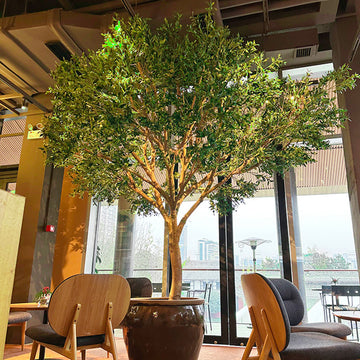
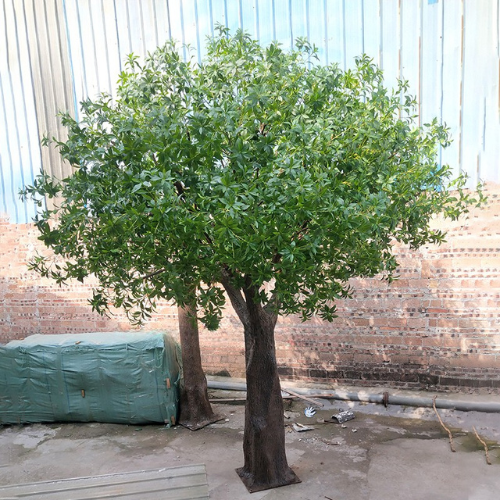
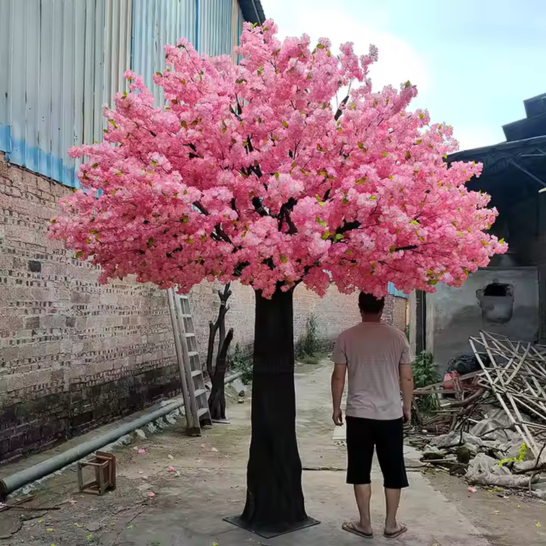
Artificial trees for corners that transform every empty space
Artificial trees for corners bring quiet drama, structure, and softness to areas that often feel forgotten. In the Faux Natural collection, each piece is thoughtfully designed to slip into those unused angles, alcoves, and edges of a room, turning them into elegant focal points with lush greenery and sculptural silhouettes. Whether you are styling a private residence, a boutique lobby, or a refined event setting, these indoor corner faux trees offer a graceful way to complete a space with ease and intention.
Why artificial trees for corners make such a difference
Corners shape the entire mood of a room. Left bare, they can make even a beautifully furnished interior feel unfinished. Placing artificial trees for corners introduces vertical lines, depth, and softness that draw the eye upward and around the space. The result is a more balanced composition that feels considered and harmonious.
Because these pieces are designed as artificial trees for empty spaces, they are especially effective in:
- - Entryways that need an instant sense of welcome - Living room corners that feel visually heavy on one side - Dining areas where...
Artificial trees for corners that transform every empty space
Artificial trees for corners bring quiet drama, structure, and softness to areas that often feel forgotten. In the Faux Natural collection, each piece is thoughtfully designed to slip into those unused angles, alcoves, and edges of a room, turning them into elegant focal points with lush greenery and sculptural silhouettes. Whether you are styling a private residence, a boutique lobby, or a refined event setting, these indoor corner faux trees offer a graceful way to complete a space with ease and intention.
Why artificial trees for corners make such a difference
Corners shape the entire mood of a room. Left bare, they can make even a beautifully furnished interior feel unfinished. Placing artificial trees for corners introduces vertical lines, depth, and softness that draw the eye upward and around the space. The result is a more balanced composition that feels considered and harmonious.
Because these pieces are designed as artificial trees for empty spaces, they are especially effective in:
- - Entryways that need an instant sense of welcome - Living room corners that feel visually heavy on one side - Dining areas where a leafy backdrop enhances the atmosphere - Home offices where greenery softens a structured layout - Bedrooms that benefit from a calming, organic accent - Commercial lobbies and waiting areas that call for subtle luxury
With realistic artificial corner trees, the impression is of a thriving interior landscape that remains consistently lush over time, helping you maintain the same refined look day after day.
Choosing the right artificial trees for empty spaces
When selecting decorative trees for unused spaces, it can be helpful to consider three main elements: height, volume, and style. Together, these determine how the tree will interact with your architecture, furnishings, and lighting.
Height shapes the sense of proportion. Tall corner artificial plants, such as designs from the curated range of tall artificial trees reaching 7 or 8 feet, complement rooms with generous ceiling height, statement lighting, or large-scale art. In more intimate settings, a 4 to 6 foot tree can add presence without overwhelming the room. Aim for a tree that comes close to, but does not touch, the ceiling for a refined, tailored appearance.
Volume determines impact. Some artificial greenery for corners features dense, layered foliage that fills the vertical plane, ideal when you want to soften a hard architectural edge or create a lush backdrop for seating. Others, such as slender bamboo or an airy olive tree, offer a lighter profile that introduces greenery while preserving negative space and natural light.
Style guides the atmosphere. From sculptural Bird of Paradise fronds to structured Fiddle Leaf Fig leaves or the organic branching of olive and bamboo, each silhouette suggests a different mood—minimalist, Mediterranean, tropical, or contemporary. Aligning the character of your indoor corner faux trees with the rest of your décor reinforces a cohesive narrative throughout the space.
Popular botanical styles for modern corner decor artificial trees
The Faux Natural selection includes a variety of lifelike trees tailored to different aesthetics, all refined enough for design-led interiors:
- - Fiddle Leaf Fig trees bring bold, architectural leaves that suit modern and transitional settings. Their broad foliage makes them standout statement trees for corners in living spaces and lounges, especially within the dedicated collection of
artificial Fiddle Leaf Fig trees
- . - Olive trees, often crafted with natural wood trunks and delicate leaves, lend an effortless Mediterranean note. Their airy branches are ideal when you want a graceful presence without visual heaviness. - Areca palms and other palm varieties introduce a soft, resort-inspired feeling. They are particularly effective as decorative trees for unused spaces beside armchairs, consoles, or floor lamps, and can be explored in the range of
artificial Areca palm trees
- . - Monstera and Bird of Paradise trees provide expressive silhouettes with distinctive leaf shapes. They work beautifully in contemporary, eclectic, or art-led interiors that embrace sculptural forms. - Bamboo groves offer height and rhythm with multiple slender trunks and fine foliage. These tall corner artificial plants are excellent for anchoring double-height ceilings or framing large windows.
Each tree is shaped to fit neatly into a corner, with branches and foliage oriented to face into the room, enhancing visibility and impact from multiple angles.
Designing with artificial plants for small spaces
Even compact interiors can enjoy the effect of greenery. Artificial plants for small spaces are particularly adept at adding character where floor area is limited. Instead of spreading décor across multiple surfaces, one well-chosen corner tree can accomplish several goals at once: soften lines, introduce color, and create a vertical focal point.
For small apartments, home offices, or narrow hallways, consider:
- - Slim, upright trees with a smaller footprint that tuck cleanly into tight corners - Airy foliage styles, such as olive or bamboo, that allow light to filter through - Designs in minimalist planters that echo the palette of your flooring or walls
By concentrating vertical greenery into a corner, you preserve open circulation while still achieving a layered, designed look.
How to select the perfect size and placement
Before choosing artificial trees for corners, take a quick survey of the area you want to enhance. Note the height from floor to ceiling, the width of the corner, and the nearby furniture or architectural features. This will help you determine the ideal scale.
As a guide, consider these simple principles:
- - In rooms with standard ceilings, trees between 5 and 7 feet often feel balanced and intentional. - For lofts, atriums, or two-story spaces, tall corner artificial plants around 8 to 9 feet can elegantly ground the vertical volume. - In smaller rooms, placing the tree slightly away from the wall rather than pressing it directly into the angle lets the branches breathe and appear more natural. - Position your tree so that it is visible from key vantage points—such as the sofa, dining table, or entryway—ensuring it becomes a quiet focal point rather than a hidden accent.
Because the trunks and foliage are thoughtfully arranged for corner placement, these indoor corner faux trees tend to settle into the architecture naturally, aligning with the existing lines of the room.
Elevating interiors from private homes to professional settings
Artificial trees for corners blend seamlessly into a wide range of environments, making them equally appealing to home décor enthusiasts and interior professionals. In residences, they soften media walls, frame favorite artworks, and provide a refreshing contrast to polished surfaces and clean-lined furniture. In professional contexts—boutique hotels, studios, offices, and galleries—they add a sense of warmth and hospitality without distracting from the primary function of the space.
For event planners and stylists, realistic artificial corner trees act as flexible architectural elements. They can define lounge areas, create greenery-filled backdrops, or guide movement through a venue. Because they are designed as statement trees for corners, they adapt beautifully to stages, entry points, and photo moments, offering consistent elegance from the first guest’s arrival to the final glimpse of the room.
Styling tips for realistic artificial corner trees
Once you have chosen your preferred design, a few subtle styling choices can enhance the effect of artificial greenery for corners and help the arrangement feel integrated with your décor.
- - Pair with lighting: Position a floor lamp or soft uplight near the tree to highlight the structure of the trunk and the texture of the leaves, creating a gentle play of light and shadow. - Layer with textiles: A nearby rug, upholstered chair, or textured throw echoes the softness of the foliage and anchors the tree visually in the room. - Echo materials: Coordinate the planter or base with other finishes—such as wood tones, metal details, or stone surfaces—to create a continuous design story. - Balance symmetry and asymmetry: A single tree can offset a large cabinet or bookcase, while a pair of indoor corner faux trees can elegantly frame a console, artwork, or fireplace.
Because the collection includes options with decorative planters as well as those ready for your own vessel, it is easy to tailor the final look to your palette and style preferences, from minimalist and monochrome to warm and layered.
Artificial trees for corners as enduring design companions
Thoughtfully crafted artificial trees for corners offer more than a seasonal accent; they become lasting design companions that support the atmosphere you want to create every day. With rich botanical detail, carefully arranged foliage, and heights that suit both compact rooms and dramatic spaces, these decorative trees for unused spaces refine corners, soften transitions, and quietly elevate the experience of any interior.
Whether your focus is a serene bedroom retreat, a welcoming entry, an artful living room, or a polished commercial setting, the right combination of realistic artificial corner trees can bring cohesion, depth, and a sense of effortless greenery to every angle of your space.
FAQ about artificial trees for corners
How do I choose artificial trees for corners that fit my room?
Measure the height and width of the corner to determine the maximum size of the tree. Choose artificial trees for corners that leave some space around the foliage so the area does not look crowded. Consider the ceiling height and nearby furniture when selecting the tree height and shape. Neutral green tones work well with most interiors.
What size artificial trees for corners work best in small rooms?
In compact areas, artificial plants for small spaces between 120–180 cm in height are often suitable. Slim or columnar indoor corner faux trees reduce the footprint while still adding vertical interest. Avoid very wide canopies in narrow corridors or tight corners. Check the product dimensions to ensure the base fits the corner.
Are artificial trees for empty spaces suitable for living rooms and offices?
Artificial trees for empty spaces can be placed in living rooms, offices, hallways, and reception areas. They work well where natural light is limited or where consistent appearance is preferred. Corner decor artificial trees help define zones, such as seating or meeting areas. Choose pots and planters that match the surrounding interior style.
How can I use tall corner artificial plants as statement decor?
Tall corner artificial plants can create a focal point in unused corners or beside large furniture pieces. Statement trees for corners work well near sofas, sideboards, or entrance areas. Pair decorative trees for unused spaces with a simple planter to keep the look balanced. Use one prominent tree rather than several small items to avoid visual clutter.
What should I look for in realistic artificial corner trees?
Realistic artificial corner trees often have varied leaf tones, textured trunks, and natural-looking branch structure. Indoor corner faux trees with detailed foliage and subtle color variations appear more lifelike. Artificial greenery for corners should have stable bases for secure placement. Choose designs that align with the overall style of the room, such as minimal, classic, or tropical.