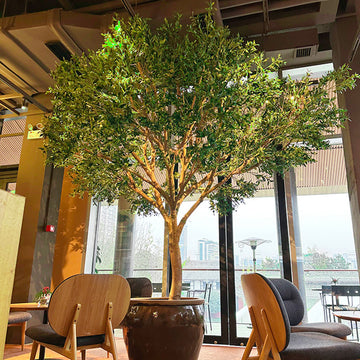
Artificial citrus trees that bring Mediterranean light into every space
Artificial citrus trees introduce a sense of fresh, sunlit elegance wherever they are placed. From glossy leaves to richly toned lemons, limes, and oranges, this collection of artificial citrus trees by Faux Natural is created for those who appreciate refined interiors and atmospheric styling. Whether you are curating a serene home, designing an inviting restaurant, or planning an immersive event, these trees offer the lush impression of a living grove with enduring beauty and presence.
Why choose artificial citrus trees for sophisticated décor?
An artificial citrus tree offers the romance of a Mediterranean garden while remaining consistently vibrant. The foliage stays lush and full, the fruit remains perfectly colored and shaped, and the overall silhouette of each tree keeps its carefully composed form over time. This makes artificial citrus trees an inspired choice for spaces that demand both visual harmony and reliability, from private residences to high-traffic commercial environments.
For home décor enthusiasts, stylists, and interior professionals, a faux citrus tree becomes more than decoration: it anchors a room, frames a seating area, or guides the eye through a space. Used in pairs a...
Artificial citrus trees that bring Mediterranean light into every space
Artificial citrus trees introduce a sense of fresh, sunlit elegance wherever they are placed. From glossy leaves to richly toned lemons, limes, and oranges, this collection of artificial citrus trees by Faux Natural is created for those who appreciate refined interiors and atmospheric styling. Whether you are curating a serene home, designing an inviting restaurant, or planning an immersive event, these trees offer the lush impression of a living grove with enduring beauty and presence.
Why choose artificial citrus trees for sophisticated décor?
An artificial citrus tree offers the romance of a Mediterranean garden while remaining consistently vibrant. The foliage stays lush and full, the fruit remains perfectly colored and shaped, and the overall silhouette of each tree keeps its carefully composed form over time. This makes artificial citrus trees an inspired choice for spaces that demand both visual harmony and reliability, from private residences to high-traffic commercial environments.
For home décor enthusiasts, stylists, and interior professionals, a faux citrus tree becomes more than decoration: it anchors a room, frames a seating area, or guides the eye through a space. Used in pairs at an entrance, lined along a window, or styled as a single statement piece, these trees bring structure, color, and an instantly recognizable Mediterranean character. For wider concepts that blend citrus with other silhouettes, the curated selection of artificial trees offers additional ways to extend this ambiance throughout a property.
Explore the Faux Natural collection of citrus-inspired greenery
The Faux Natural range of artificial citrus trees is curated to suit a wide variety of interiors, design languages, and spatial needs. Within this collection, you will find:
- Tall, floor-standing lemon and orange designs that echo the look of mature citrus trees.
- Mid-height and compact pieces ideal as accent trees in living rooms, offices, or hotel suites.
- Sculpted forms, such as lemon topiaries, that introduce a more tailored, formal profile.
- Lush mixed citrus concepts that combine different fruits for extra color and visual richness.
From the 6ft faux lemon tree that instantly transforms a bare corner to a 4ft artificial orange tree that adds warmth beside a console or sideboard, every style is designed to feel considered and intentional. Mixed arrangements of lemons, limes, and oranges create a striking decorative citrus tree that reads as both playful and elegant, ideal for creative interiors and standout event styling. If you are exploring complementary greenery to pair with your citrus statement pieces, the broader universe of artificial plants makes it simple to build layered, textural schemes.
Hyper-realistic details for a truly realistic artificial citrus tree
Each realistic artificial citrus tree in this range is crafted with close attention to botanical authenticity. Leaves are layered and varied in size to echo natural growth, with nuanced green tones and subtle veining. Branches are shaped to create a balanced yet organic silhouette, avoiding the rigid symmetry sometimes associated with a fake citrus tree.
The fruit on each faux fruit tree is molded and finished to capture the depth of real citrus: gentle gradations of yellow and orange, the suggestion of texture on the rind, and a natural variety in placement. The result is an artificial fruiting tree that feels convincing at a glance and stands up beautifully to closer inspection—an important detail for hospitality spaces, reception areas, and styled photo locations.
Choosing the right size and shape for your space
When selecting artificial citrus trees, considering proportion, ceiling height, and existing furniture is key to achieving a balanced composition.
- Large floor-standing trees (around 6–7 feet) act as statement pieces in living rooms, hotel lobbies, entrance halls, and event backdrops. Position them where you would place a sculpture or a major artwork.
- Medium-height trees (around 4–5 feet) are ideal for corners, beside a sofa, near a bar area, or in boutique retail spaces where they can frame a display or mirror.
- Compact and tabletop designs (around 2–3 feet) lend themselves to consoles, kitchen islands, countertops, reception desks, and shelving, offering a refined pop of greenery and fruit at eye level.
For a more structured aesthetic, a lemon topiary-style faux citrus tree provides a clipped, architectural look that works beautifully in classical, coastal, or transitional interiors. For relaxed or contemporary spaces, a softly branching potted artificial citrus tree with an informal crown introduces movement and a more natural rhythm. To help refine scale, you can also browse small artificial trees and medium or tall options across the collection, ensuring every zone feels perfectly proportioned.
Styling ideas for homes, events, and commercial interiors
Artificial citrus trees adapt effortlessly to different design directions, from breezy Mediterranean to polished urban.
In private homes, a single indoor citrus tree artificial can define a reading corner or brighten a dining area. Flank patio doors with a pair of lemon or orange designs to blur the line between indoor and outdoor living. In kitchens and breakfast rooms, smaller faux citrus trees complement stone, wood, and linen textures for a relaxed, sun-washed mood.
For events, a cluster of lemon and orange artificial tree arrangements can transform a neutral venue into a Mediterranean artificial tree grove. Place tall trees behind the head table, mix compact trees with candles and textiles for a layered tablescape, or use them to frame a bar or dessert station with color and freshness. Event planners can repeat the same species across zones for cohesion or blend different artificial citrus trees for a more abundant, orchard-like atmosphere.
Restaurants, cafés, and boutique hotels can use a decorative citrus tree as a visual signature. Position a large faux citrus tree near the entrance, echo smaller versions at the bar or host stand, and continue the theme subtly through corridors or lounge areas. This continuity of greenery enhances the guest experience and reinforces a carefully curated identity.
Pairing artificial citrus trees with your interior style
The planter you choose for your faux citrus tree has a significant impact on the final look. Simple, sculptural pots in stone, concrete, or matte ceramic bring out a modern, gallery-like aesthetic. Woven baskets, terracotta, or weathered finishes suit coastal, rustic, or Mediterranean-inspired interiors. Sleek metallic bases can complement more glamorous spaces such as cocktail bars or boutique hotel lobbies.
Consider the surrounding palette: citrus trees naturally complement neutrals, whites, and warm woods, yet they also provide a vibrant counterpoint to deep blues, charcoal, or soft pastels. They sit beautifully alongside natural materials such as rattan, linen, marble, and light oak, enhancing layered, tactile schemes. For a more dramatic statement, allow a single artificial citrus tree to stand against a darker wall, creating contrast and focus.
Benefits of choosing a potted artificial citrus tree
A potted artificial citrus tree from Faux Natural provides a ready-made decorative solution that slots directly into your interior plan. Many designs in the collection are presented in minimalist bases, allowing you to drop them into your own decorative planters or cachepots. Others come already styled in more elevated containers, ideal for clients or projects that call for an immediate, polished result.
Because the structure and profile of each fake citrus tree remain consistent, designers and event planners can design around them with certainty. A tree styled for a photo shoot, retail display, or staged property will hold its shape, making it a reliable element in any composition. For schemes where you wish to echo the look of potted greenery throughout, the selection of artificial potted plants allows you to repeat this language in foyers, corridors, and intimate corners.
Curating a citrus-focused design narrative
Artificial citrus trees are especially effective when used to create a cohesive theme across a property or event. For a villa-inspired interior, combine tall Mediterranean artificial tree silhouettes in key rooms with smaller faux fruit tree accents in transitional spaces. Repeat citrus motifs through subtle details such as artwork, ceramics, or textiles while allowing the trees to remain the leading feature.
In commercial or hospitality concepts, a series of matching indoor citrus tree artificial pieces can guide guests through the space, leading from entrance to lounge, bar, or terrace. Mixed citrus groupings lend a more playful, resort-like feeling, while single-species arrangements (for example, only lemons or only oranges) create a calm, curated aesthetic suitable for refined dining rooms or boutiques.
Artificial citrus trees as lasting design investments
For stylists, interior designers, and event professionals, artificial citrus trees offer enduring versatility. A realistic artificial citrus tree can be reimagined from one project to the next: as a focal point in a residential living room, as part of a layered set design, or as a welcoming element in a commercial foyer. Their timeless connection to sun, freshness, and relaxed luxury ensures they feel relevant across seasons and trends.
Whether you select a single potted artificial citrus tree to complete a room or compose an entire landscape of lemon and orange artificial tree designs for a signature installation, this collection invites you to create spaces that feel luminous, generous, and beautifully considered.
FAQ about artificial citrus trees
What should I consider when choosing artificial citrus trees for my space?
First, decide whether you prefer a potted artificial citrus tree, a floor-standing design, or a tabletop size. Check the overall height and canopy width to ensure the faux citrus tree fits your room layout. You can also consider whether you want a lemon and orange artificial tree or a single-fruit style to coordinate with existing décor. For commercial or event use, choose a consistent style across multiple pieces for a cohesive look.
How realistic are artificial citrus trees compared to live trees?
A realistic artificial citrus tree typically features detailed foliage, textured trunks, and lifelike faux fruit. Many designs use varied leaf tones and subtle imperfections to mirror natural growth. A high-quality artificial fruiting tree will look convincing from typical viewing distances in homes, hotels, and event spaces. For the most natural appearance, select a decorative citrus tree with varied branch structure and layered foliage.
Can artificial citrus trees be used as indoor focal points?
An indoor citrus tree artificial is often used as a visual anchor in living rooms, dining areas, and entryways. It can frame seating zones, highlight architectural features, or soften corners. A taller faux fruit tree works well beside sofas or consoles, while smaller designs suit shelves or side tables. Coordinating planters and surrounding décor help integrate the tree into the overall interior scheme.
Are artificial citrus trees suitable for Mediterranean-style interiors?
Artificial citrus trees are commonly used to reinforce a Mediterranean artificial tree aesthetic. Lemon and orange styles echo traditional courtyard and terrace planting. Pairing a fake citrus tree with natural materials such as stone, linen, and wood can support this look. Multiple trees placed together can create a structured, orchard-inspired arrangement.
What is the difference between a faux citrus tree and other artificial trees?
A faux citrus tree usually includes small fruits, glossy leaves, and a more compact canopy than many foliage-only trees. The fruit adds color contrast and a distinctive Mediterranean reference. An artificial citrus tree often works both as greenery and as a decorative accent due to its shape and color. This makes it suitable for kitchens, dining spaces, reception areas, and display styling.
How can I style a potted artificial citrus tree in different settings?
In homes, a potted artificial citrus tree can be placed in a decorative container that suits the interior style, such as ceramic, woven, or metal. For events, grouping several trees along an aisle, entrance, or backdrop creates a structured visual line. In commercial spaces, a realistic artificial citrus tree can frame window displays, seating zones, or service counters. Adjusting planter height, surrounding furniture, and lighting will change how prominent the tree appears.