

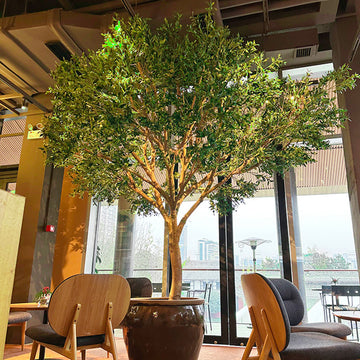


Choosing the best palm trees for outdoors is no longer only about climate or plant care. For today’s homeowners, designers, and hospitality buyers, it is just as much about scale, silhouette, realism, and how a palm tree shapes the mood of an exterior space. Palm forms bring instant softness and structure to patios, pool decks, balconies, courtyards, and terraces, which is why they continue to appear in tropical, coastal, Mediterranean, resort-style, and contemporary outdoor design. The right palm can make an ordinary exterior feel more layered, more architectural, and more relaxed. At the same time, the wrong one can feel undersized, overly themed, or difficult to maintain. That is exactly why so many buyers now look beyond live plants and invest in realistic artificial palm trees that deliver the atmosphere of lush greenery without the constant upkeep.
Outdoor palm trees are especially compelling because they sit at the intersection of landscape design and decorative styling. They can be used as statement pieces, spatial dividers, visual anchors, or softer framing elements around furniture and architectural lines. In hospitality-inspired spaces, palms immediately suggest ease, warmth, and destination living. In more minimal homes, they can introduce movement and organic contrast without overwhelming a clean setting. The real question is not whether palm trees work outdoors, but which type works best for your layout, aesthetic, and maintenance expectations. For many exterior settings, the answer increasingly points toward outdoor faux palm trees with convincing trunks, durable fronds, and proportion that feels believable in the space.
Why palm trees work so well outdoors
Palm trees have unusual versatility in exterior design because their shape is both sculptural and relaxed. A palm canopy creates a feeling of movement even when the rest of the environment is restrained, and that visual lightness helps outdoor areas feel more open and inviting. Their upright trunks introduce vertical structure, which is useful in patios and terraces that need height without the density of heavier shrubs or hedges. Around pools, palms reinforce a leisure-driven atmosphere that feels elevated rather than overly decorative when the scale is right. In courtyards and entryways, they soften hard surfaces such as stone, stucco, tile, concrete, and metal. On rooftops and balconies, they help create the impression of an outdoor room rather than a bare platform.
One reason artificial trees with palm silhouettes remain popular is that palm forms read well across different design languages. A broad coconut-style canopy can feel lush and resort-inspired near a pool or garden lounge. A more refined date palm profile can feel stately and architectural in a courtyard or at the entrance to a hospitality property. A lighter, finer palm can soften contemporary furniture on a terrace without making the space feel over-styled. Palm trees also work across small and large footprints because the visual impact comes from the overall silhouette, not just mass. That means even one well-placed palm tree outdoor decor piece can change the mood of a space dramatically. When styled correctly, outdoor palm trees add vacation-like ease without requiring a theme-heavy approach.
The most successful installations also understand that palm trees do more than fill empty corners. They guide the eye upward, frame views, and help define zones for dining, lounging, or arrival. In a garden terrace, a pair of palms can mark the edge of a seating arrangement and make the composition feel complete. Beside an entry door, one taller palm can create welcome and visual balance. Along a pool deck, palms can soften the transition between paving and water while reinforcing a clean resort mood. This is why the best outdoor palm trees are not chosen simply as plants. They are chosen as design elements with clear visual purpose.

What makes the best palm trees outdoors?
The best palm trees outdoors combine proportion, realism, and suitability for the setting. Height matters first because a palm that is too short tends to disappear against walls, railings, pergolas, or exterior furniture. Smaller palms work well for balconies, compact patios, and apartment terraces where seating is low and sightlines are tight. Medium palms are often the most flexible choice for outdoor dining areas, courtyards, and layered terraces because they provide height without overpowering the layout. Taller statement palms are ideal for pool areas, open-air lounges, entrances, and commercial properties where the architecture needs a stronger vertical counterpoint. Good scale helps a palm feel intentional rather than like an afterthought.
Canopy shape is equally important. Some outdoor palm trees have wide, sweeping fronds that create softness and a more tropical mood. Others are narrower and more upright, which suits cleaner, more architectural spaces. The best outdoor palm trees always feel in proportion to the furniture, the planter, and the surrounding envelope of the space. On a compact patio, an overly wide canopy can feel cramped and block circulation. In a large courtyard, a sparse small canopy can feel visually weak. Designers often choose palm profiles based on whether they want the tree to frame a vignette, anchor a corner, or act as a focal point that draws the eye from a distance.
Leaf realism and trunk texture make the biggest difference between a convincing palm and one that looks decorative in the wrong way. Quality fronds should show natural variation in angle, depth, and color rather than a flat repeated pattern. A good trunk should have visible texture and believable structure, whether that means a ringed finish, a natural wood effect, or a more fibrous tropical character. For artificial outdoor palms, material quality also matters because outdoor exposure can quickly expose poor construction. UV-resistant finishes, weather-conscious materials, and flexible fronds all help preserve a realistic appearance over time. Finally, the planter presentation matters more than many buyers expect. A palm can only look elevated if it is grounded in a planter that suits the architecture and gives the tree visual weight.
Real vs artificial palm trees outdoors
Live palms have undeniable natural beauty, but they are not always practical for the environments where people want the palm look most. Climate is the first limitation. Many homeowners want palm trees for patio or pool area styling even though their local weather is too cold, too windy, or too inconsistent to support the species they admire. Even in warmer climates, live palms may suffer from leaf browning, dryness, storm stress, pruning needs, nutrient issues, pest problems, and seasonal wear that makes them look less polished than expected. In residential spaces, that can turn a design feature into a maintenance burden. In hospitality settings, inconsistent appearance can undermine the sense of refinement the space is trying to create.
This is why artificial palm trees have become such a strong option for exterior styling. High-quality models offer consistent form, stable color, and a clean silhouette year-round. They work in places where real palm varieties would struggle, and they allow buyers to choose the exact height and look they want rather than adapting to what climate makes possible. They are particularly useful for rooftops, sheltered patios, balconies, pool decks, and courtyards where a polished, maintenance-free appearance matters. For buyers interested in low maintenance outdoor palm trees, the artificial route is often the more reliable design decision. The best examples no longer feel like compromise pieces. They read as styled landscape elements that support architecture and atmosphere.
- No watering or pruning required
- Consistent color and shape year-round
- No leaf browning, shedding, or seasonal decline
- Works in spaces where climate is not suitable for real palms
- Easy to style on patios, balconies, pool areas, and terraces
- Ideal for buyers who want a polished, maintenance-free outdoor look
That said, not every artificial palm is equally effective. Cheap models with glossy leaves, weak trunks, and thin pots often look decorative instead of believable. The goal is not simply to buy a faux plant, but to choose one with enough realism and scale to hold its place in an exterior design scheme. The strongest realistic artificial trees are the ones that treat trunk texture, canopy spread, and planter styling as essential parts of the composition. In other words, the success of artificial palm trees outdoor depends on quality and placement just as much as live plants do.
Best palm trees outdoors by space and design style
When people ask for the best palm trees outdoors, they are often really asking which profile suits their space. Compact palms are ideal for balconies, small patios, and tighter terraces because they bring greenery upward without consuming valuable floor area. These are especially effective near bistro tables, lounge chairs, or along a corner where the tree can soften the edge of the layout. Medium palms are often the best choice for outdoor dining areas and layered terraces because they create presence without dominating the seating zone. They suit homes where the goal is a relaxed but refined exterior rather than a dramatic tropical statement. In these settings, potted palm trees outdoor can act like movable architectural accents.
Taller statement palms work best in poolside areas, open courtyards, and entry compositions where the space needs visual lift and stronger structure. These palms are particularly useful in exterior spaces with high walls, pergolas, large windows, or double-height facades that need a vertical element to feel balanced. Lush tropical profiles are suited to resort-inspired settings, coastal homes, and hospitality projects where the atmosphere should feel immersive and warm. Cleaner, more controlled palm forms tend to work better in contemporary or minimalist environments where the architecture is strong and the greenery should feel intentional rather than exuberant. The key is always matching the palm’s visual personality to the architecture. A palm should reinforce the space, not compete with it.
Buyers also benefit from thinking about where the palm will be seen from. If the tree is a first impression at the entry, trunk character and scale matter enormously. If it will sit near seating, canopy shape and the way fronds overlap become more important because viewers are closer to the detail. For a pool deck, height and silhouette often matter more because the palm is read across a wider field of view. In a hospitality-inspired garden lounge, a combination of palms at varying heights can create a layered destination feel. But even there, restraint matters. A few well-scaled outdoor tropical plants usually create a stronger result than many small ones scattered without purpose.
Recommended Faux Natural palm trees for outdoors
For buyers looking for best outdoor palm trees with a refined, practical approach, Faux Natural offers a strong range of options within its artificial palm trees collection. The following palms work across residential and commercial outdoor settings, especially when paired with substantial planters and thoughtful placement. They are well suited to patios, pool zones, terraces, courtyards, and hospitality-inspired spaces where design quality matters as much as convenience. Buyers sourcing larger projects can also explore wholesale artificial plants for hospitality, retail, and professional design use.
1. 8ft Large Faux Coconut Palm Tree Indoor Outdoor
This is a strong choice for pool decks, larger patios, and open terraces that need immediate tropical height. The eight-foot scale gives it enough presence to anchor lounge zones and soften broad expanses of paving. It suits resort-inspired homes, hospitality terraces, and outdoor entertaining areas where a taller palm silhouette helps create a vacation-like atmosphere.

2. Artificial Areca Palm Tree 7ft Eco Friendly Indoor Use
Although lighter in character, this palm works beautifully in sheltered exterior styling where a softer, more feathery canopy is preferred. Its shape suits patios, balconies, and dining terraces that need greenery with a more relaxed, airy profile. It is especially effective in coastal and casual contemporary spaces where visual softness matters.

3. Large Artificial Palm Tree with Metal Trunk Outdoor
This option is ideal for buyers who want an outdoor palm with stronger structure and a more engineered base for exposed settings. The overall look suits commercial exteriors, entry zones, and modern terraces where durability and scale both matter. It works best when styled in a substantial planter that emphasizes its architectural character.

4. Artificial Palm Tree 7.5ft Natural Look Indoor Use
This palm is a versatile mid-to-tall option for patios, courtyards, and covered terraces that need a believable tropical accent without going oversized. Its natural look makes it useful in residential settings where buyers want a realistic silhouette that feels easy to style. It pairs especially well with neutral stone, plaster, wood, and woven outdoor materials.

5. Artificial Lady Palm Bamboo Palm Tree 9.19ft with Pot
This is an excellent choice for spaces that need substantial height but a more refined, layered canopy than a classic coconut profile. It works well in elegant courtyards, covered outdoor lounges, and hospitality-inspired entrances where the tree should feel lush but controlled. The taller scale makes it suitable for properties with stronger architecture and generous ceiling or wall height nearby.

6. Artificial Coconut Palm Tree UV Protected Landscape Theme
This palm suits buyers who want a distinctly tropical look in a truly outdoor context. Its UV-protected construction makes it especially relevant for patios, garden terraces, and themed hospitality spaces with higher sun exposure. It is a strong option where a fuller, more escapist outdoor mood is the goal.

7. Artificial 8ft Coconut Palm Tree Indoor Outdoor Decor
At eight feet, this palm creates confident visual height for poolside corners, exterior seating vignettes, and open lounge layouts. The coconut form gives it a relaxed resort identity that reads well in both residential and commercial settings. It works best in spaces that need one or two dominant greenery moments rather than many smaller accents.

8. Artificial Date Palm Tree UV Resistant Outdoor Use
This is one of the most versatile outdoor faux palm trees for refined exteriors because the date palm silhouette feels structured and elegant. It suits courtyards, entryways, and formal terraces where the design language is more architectural than tropical. UV resistance makes it a practical solution for buyers who want year-round visual consistency in sunnier locations.

9. Artificial Date Palm Tree High Simulation for Hotel Decor
This palm is especially well suited to hospitality-style settings where realism and scale need to hold up in more visible, professional environments. The date palm character feels elevated and polished, making it ideal for hotel terraces, luxury pool edges, and sophisticated outdoor lounge areas. It also suits residential buyers who want a more stately interpretation of palm styling.

10. Artificial Palm Tree UV Resistant for Theme Park Hotel Lobby Decor
This option is best for buyers who need outdoor-ready scale and visual impact in higher-traffic settings. It works well for hospitality, event, and leisure environments where palms are part of a full destination-style concept. In residential spaces, it is most effective where the architecture is large enough to support a bolder statement tree.

11. Artificial Date Palm Tree Customized Sizes Outdoor Use
Customization makes this a particularly useful option for designers and property owners working with specific dimensions or sightlines. It is ideal for projects where matching scale to façade height, planter depth, or hospitality branding is important. The date palm form gives it a tailored, architectural quality that works across modern and Mediterranean exteriors.

12. Artificial Coconut Palm Tree Plastic Outdoor Decor 9.2ft
This taller coconut-style palm is a compelling choice for expansive patios, pool decks, and garden lounges that need stronger tropical presence. The 9.2-foot height helps it read clearly against larger walls and open skies. It is best used where the goal is immersive outdoor styling with a confident resort mood.

13. Artificial Date Palm Tree 13 ft Natural Wood Trunk Hotel Use
This is the statement option for grand exterior applications. The thirteen-foot height and natural wood trunk effect make it particularly suited to hotel entries, commercial courtyards, luxury pool environments, and properties with dramatic vertical scale. It is ideal for projects where one palm needs to function as a true focal point rather than a decorative accent.

14. Artificial Washingtonia Palm Tree Fireproof Outdoor Use
The Washingtonia profile brings a more classic palm character with strong visual height and a slightly more dramatic canopy shape. It suits outdoor hospitality, event, and high-spec residential settings where performance considerations matter alongside design. This is a practical choice for buyers who want bold scale with an added emphasis on specification.

15. Artificial Coconut Palm Tree Realistic Look Indoor Use
This palm is a good fit for covered patios, balconies, and transitional spaces where a softer tropical feeling is needed. Its realistic look makes it easier to integrate into styled home exteriors without feeling overly theatrical. It works particularly well with warm neutrals, textured stone planters, and relaxed outdoor seating.

16. Artificial Coconut Palm Tree Large Natural Wood Trunk Outdoor Use
This outdoor palm tree is ideal for patios, pool areas, and hospitality-style terraces where a stronger tropical statement is needed. Its taller form and natural-looking trunk help create a resort-inspired atmosphere, while the canopy adds softness and visual height to open-air spaces. It is especially well suited to buyers who want dramatic outdoor styling without the upkeep of a live palm.

Where to place palm trees outdoors
Placement is what turns a palm tree from a decorative object into a convincing part of the outdoor environment. Taller palms work best in corners that need height, especially beside outdoor sofas, behind loungers, or at the edge of a terrace where architecture feels visually flat. At poolside, palms are most effective when they frame the water rather than clutter the circulation path. In entryways, one palm can create a clean point of arrival, while a balanced pair can emphasize symmetry in more formal homes or hospitality settings. On balconies, smaller or medium palms should be placed where the canopy can still open visually rather than being crushed against railings or overhangs. In courtyards, palms often work best where they can be appreciated from multiple angles, which gives their silhouette and trunk more presence.
- Place taller palm trees in corners that need height and structure
- Use substantial planters to make the trees feel architectural and grounded
- Frame seating areas or pool zones with palms for a resort-inspired effect
- Leave enough surrounding space so the canopy shape can be appreciated
- Match the palm size to the scale of the patio, terrace, or exterior facade
Planters play a major role in making a palm feel intentional. A thin nursery-style base immediately weakens the effect, while a textured stone, matte ceramic, ribbed composite, or architectural concrete planter gives the tree proper visual grounding. In Mediterranean and coastal spaces, warmer neutral planters often work best. In more contemporary settings, darker or more minimal forms can help the palm feel cleaner and less decorative. Wind exposure and sun exposure should also be considered, especially for outdoor faux palm trees. The tree should feel stable in position, and the planter should be weighted or scaled appropriately so the installation looks secure. The goal is always to create the impression that the palm belongs naturally within the architecture and layout.
What does not work: common outdoor palm tree mistakes
The most common mistake is choosing a palm that is too small for the space. A short palm can look lost next to a large sectional, a tall exterior wall, or a broad pool deck. Another mistake is buying based only on the idea of “tropical” without considering the architecture. A lush coconut-style palm may feel perfect in a resort-inspired courtyard but out of place on a sharp minimalist terrace unless the rest of the styling supports that mood. Leaf quality is another major issue. Overly glossy fronds or stiff, repetitive leaf shapes are the fastest way to undermine realism, especially outdoors where natural light reveals every artificial detail.
Trunk realism is often overlooked, but it is critical. Many disappointing palms fail not because of the canopy, but because the trunk feels too smooth, too uniform, or visually disconnected from the upper structure. Poor planter choice causes the same problem. A palm in a base that is too small or stylistically mismatched looks temporary and ungrounded. Placement can also go wrong when palms are squeezed into tight corners, pushed awkwardly behind furniture, or grouped so densely that none of their forms can be appreciated. The strongest exterior styling uses palms with restraint and clarity, allowing each tree to contribute shape, mood, and rhythm to the space.
- Choosing a palm that is too short for the surrounding architecture
- Using leaves that look overly plastic or shiny
- Ignoring the importance of trunk realism
- Using a planter that feels too small or stylistically mismatched
- Placing palms where they feel squeezed or disconnected from the layout
- Choosing tropical palm styles for spaces with a more minimal architectural look without proper balance
Overuse is another issue. Palm trees are powerful visual elements, and too many of them can make an outdoor area feel themed instead of refined. In most patios, terraces, and pool areas, one to three well-chosen palms create a stronger result than many scattered pieces. This is especially true when the palms are paired with other outdoor tropical plants, textured planters, or layered furniture arrangements. The best compositions treat palms as focal greenery, not filler. That approach is what separates polished exterior design from decorative excess.
FAQ
Are palm trees good for outdoor spaces?
Yes, palm trees are excellent for outdoor spaces because they add height, movement, and a relaxed resort-like mood. They work especially well in patios, poolside areas, balconies, terraces, courtyards, and entry zones. The key is choosing the right scale, canopy shape, and styling approach for the architecture around them.
What are the best palm trees outdoors for home décor?
The best outdoor palm trees for home décor are the ones that fit the scale of the exterior and support the overall design style. Smaller palms are ideal for balconies and compact patios, medium palms suit terraces and dining zones, and taller statement palms are best for pool decks, courtyards, and entrances. For many homes, realistic artificial palm trees offer the easiest path to a consistent, polished result.
Are artificial palm trees better than real ones outdoors?
In many cases, yes. Live palms can be beautiful, but they require the right climate, ongoing care, pruning, watering, and protection from seasonal stress. Artificial palm trees outdoor are often the better choice for buyers who want a clean, maintenance-free look, especially in locations where real palms struggle or where year-round consistency matters.
Where should I place palm trees outdoors?
Palm trees work best in places where their height and silhouette can be appreciated. Good locations include poolside corners, beside outdoor sofas, near entryways, on garden terraces, and in courtyards where they can frame seating or architecture. They should feel anchored by the layout rather than squeezed into leftover space.
What size palm tree works best for a patio?
That depends on the patio size and the surrounding furniture. Small to medium palms are often best for compact patios because they add vertical greenery without overwhelming circulation. Larger patios and open lounge areas can support taller palms that create a stronger focal point and more dramatic outdoor styling.
How do you make an artificial palm tree look more realistic?
Choose a palm with natural-looking fronds, believable trunk texture, and strong overall proportion. Then place it in a substantial planter that suits the architecture, and give it enough surrounding space for the canopy to read clearly. Realism comes from the full composition, not just the tree itself.
Do palm trees suit modern outdoor spaces?
Yes, palm trees can work beautifully in modern outdoor spaces when the profile is chosen carefully. Cleaner, more architectural palm forms are often better for contemporary exteriors than overly lush or theatrical styles. Pairing them with minimal planters and restrained outdoor furniture helps the look stay refined.
Conclusion
Palm trees remain one of the most effective ways to create an outdoor space that feels elevated, welcoming, and gently transportive. They add structure without heaviness, atmosphere without clutter, and a sense of destination that works across Mediterranean, coastal, tropical, resort-style, and contemporary exteriors. The best palm trees outdoors are the ones that balance realism, scale, trunk character, canopy shape, and thoughtful placement. For many patios, terraces, balconies, pool areas, and hospitality-inspired settings, high-quality artificial palm trees are the most practical choice because they offer lasting beauty without the constant maintenance of live plants. To explore more options for outdoor styling, browse Faux Natural’s collection of artificial palm trees, including larger statement pieces in the large artificial palm trees range and outdoor-ready designs made for polished exterior living.


